Where does my trip start?
The Rainier leadership adventure begins in Seattle, Washington; the city on the water. You will meet your leaders and other Moondancers at the Seattle airport baggage claim before embarking on your first backpacking section in Olympic National Park!
What happens in a typical day?
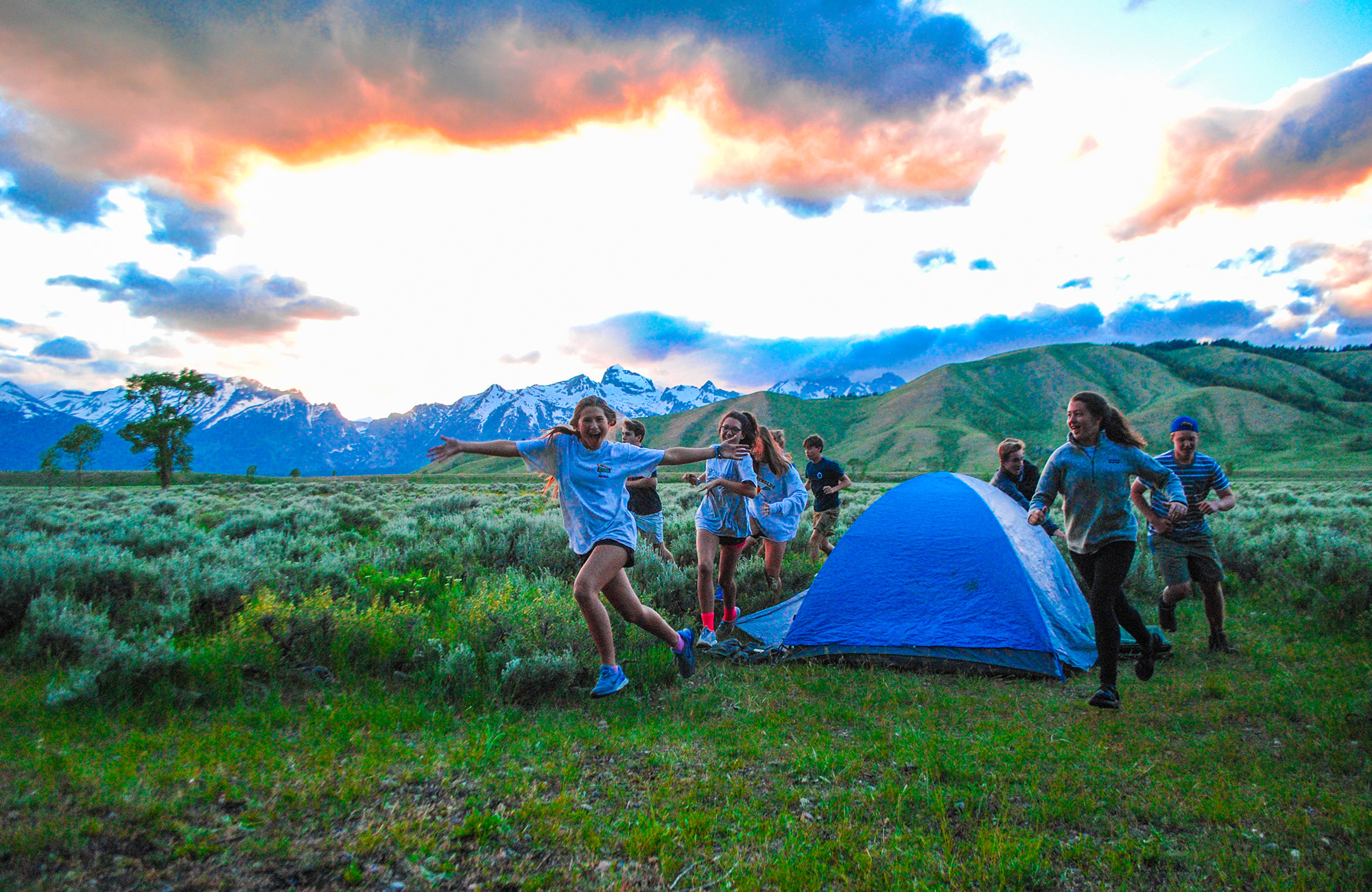
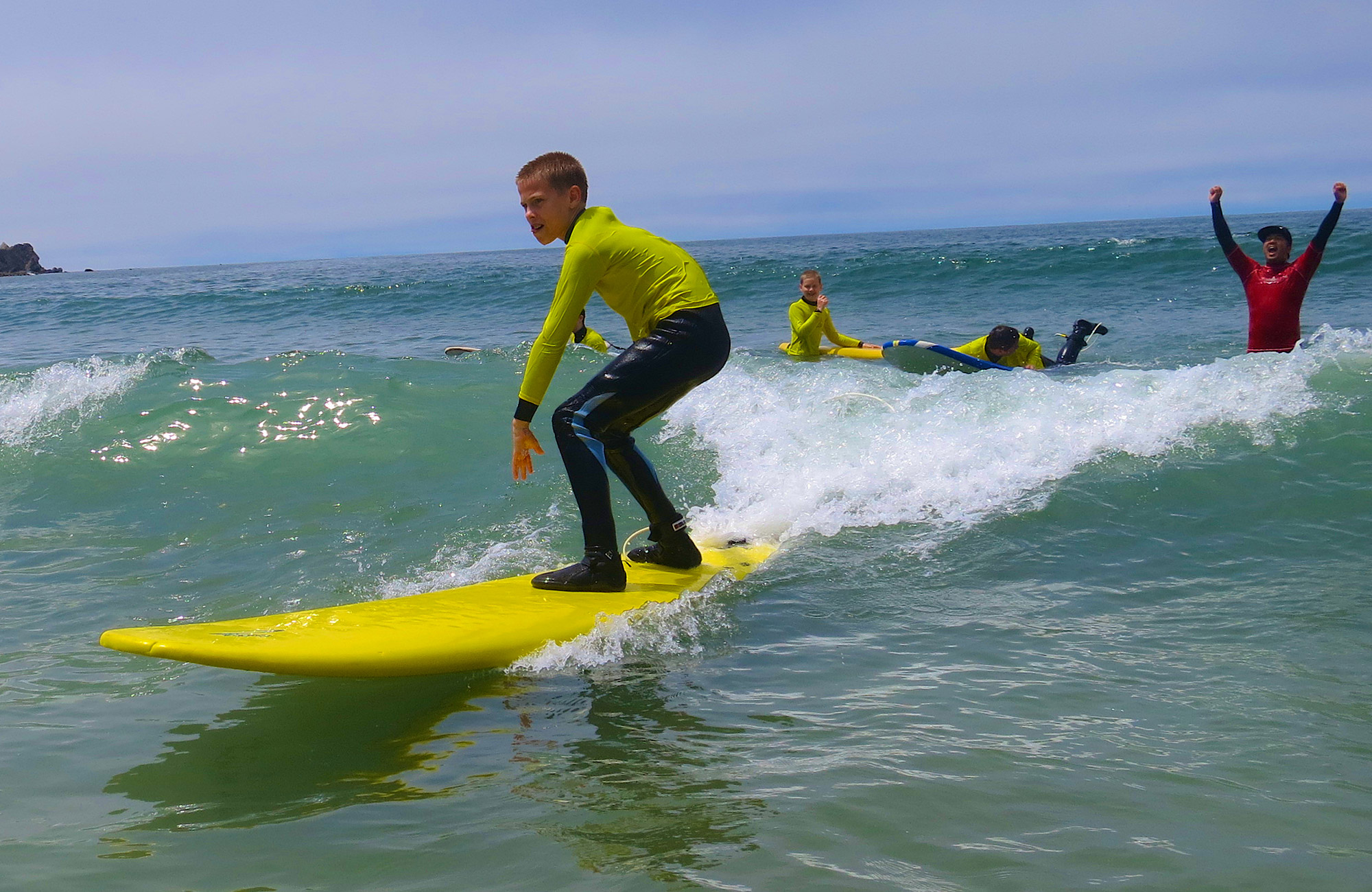
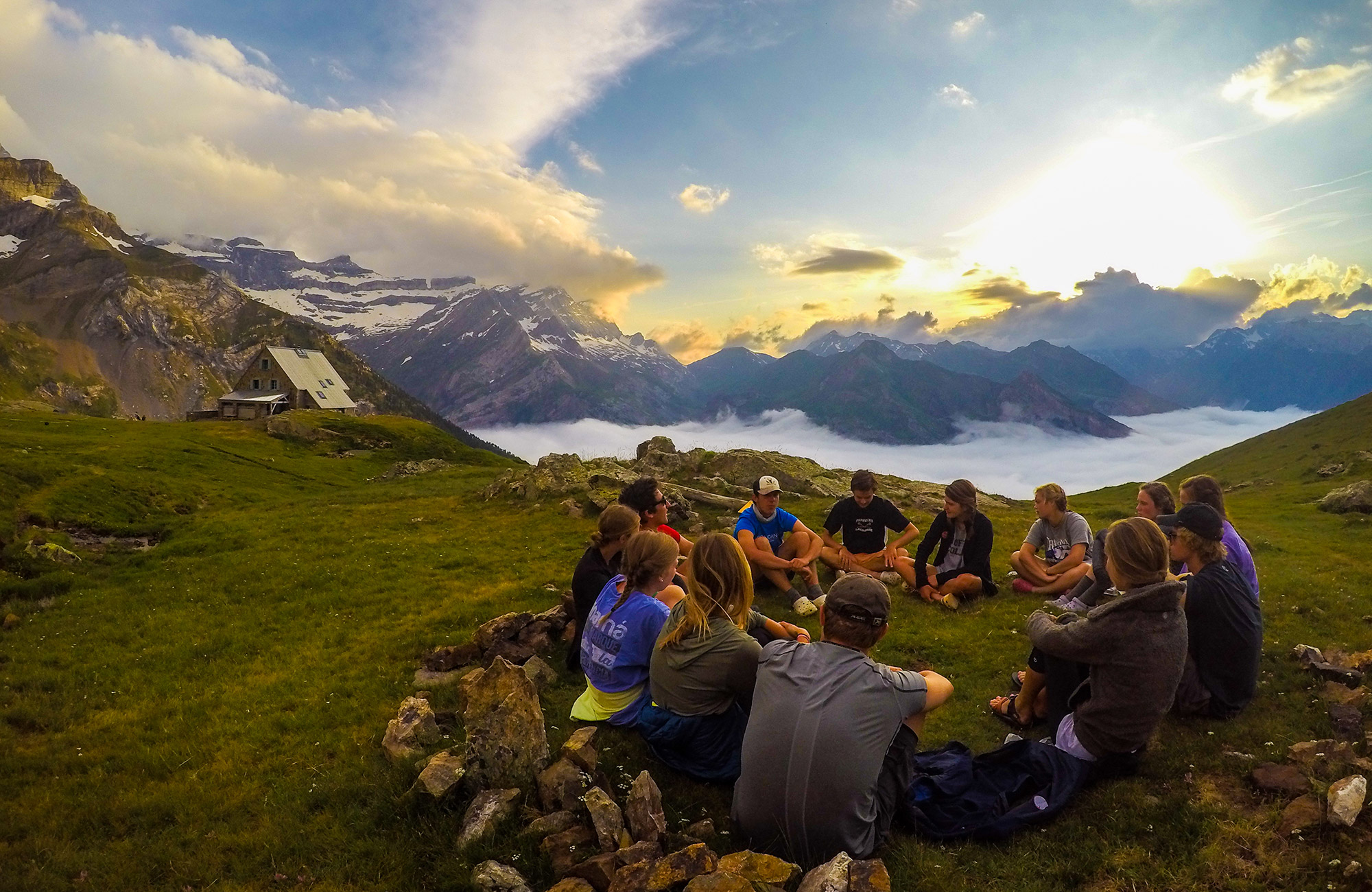
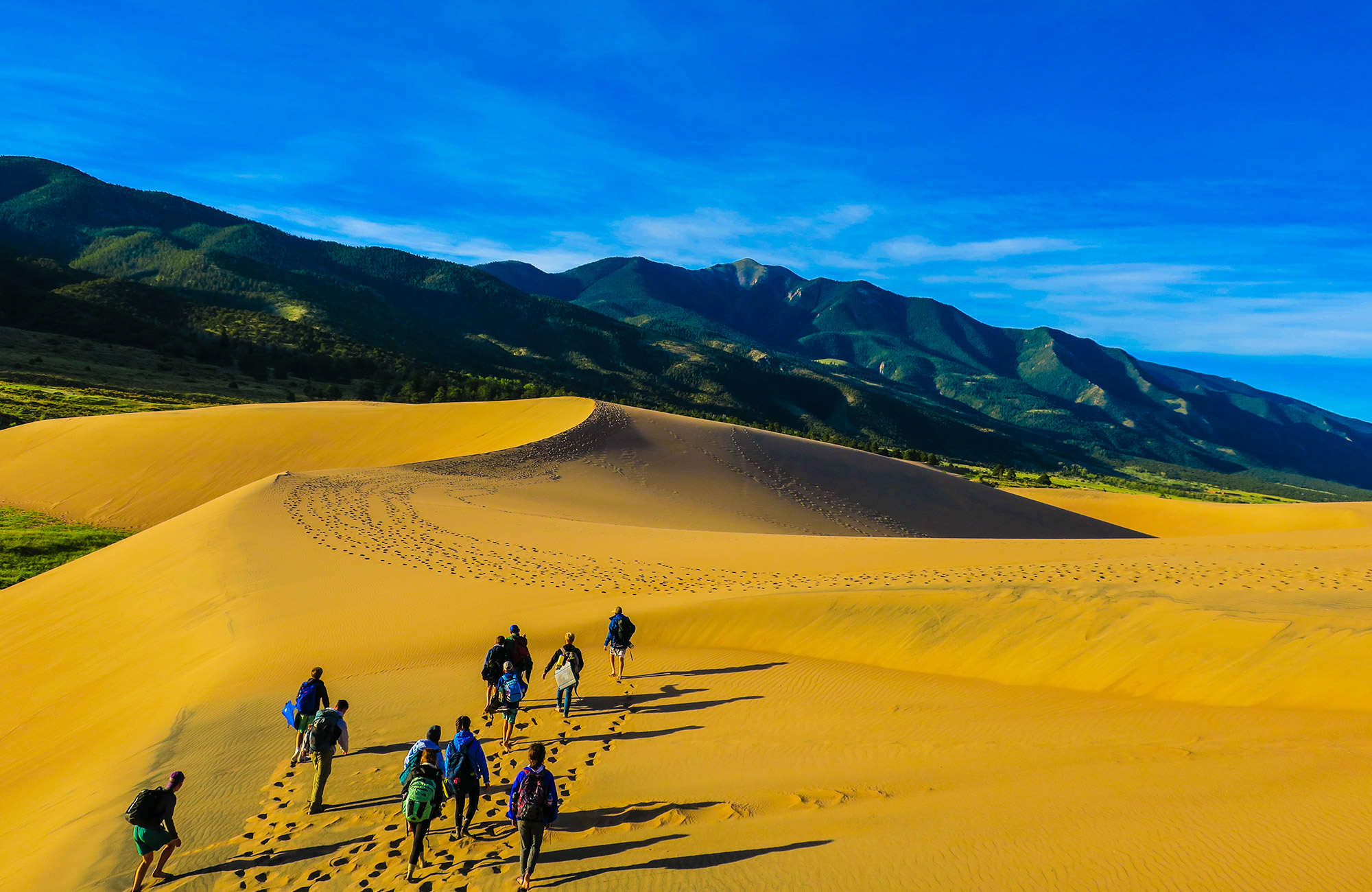
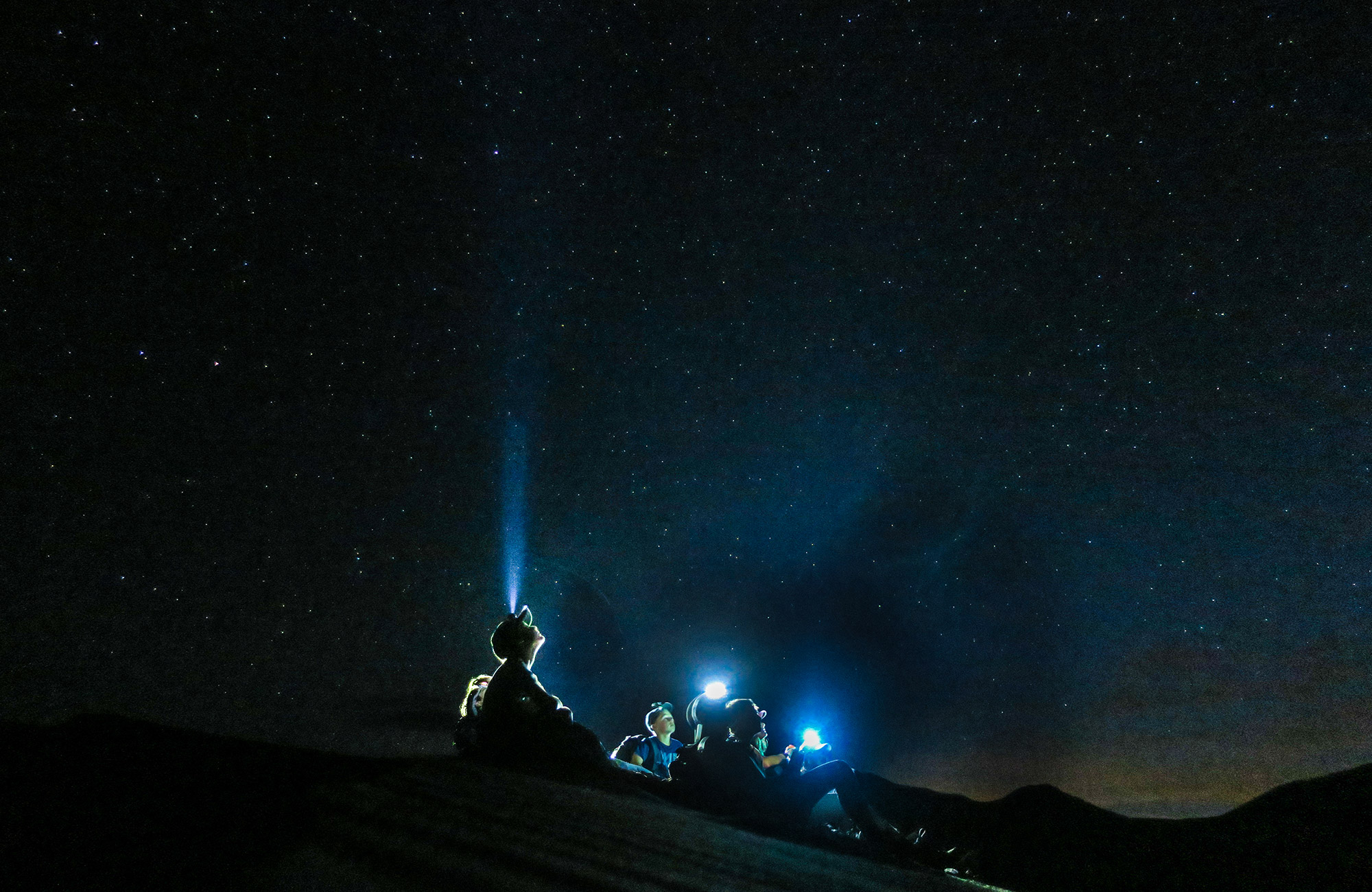
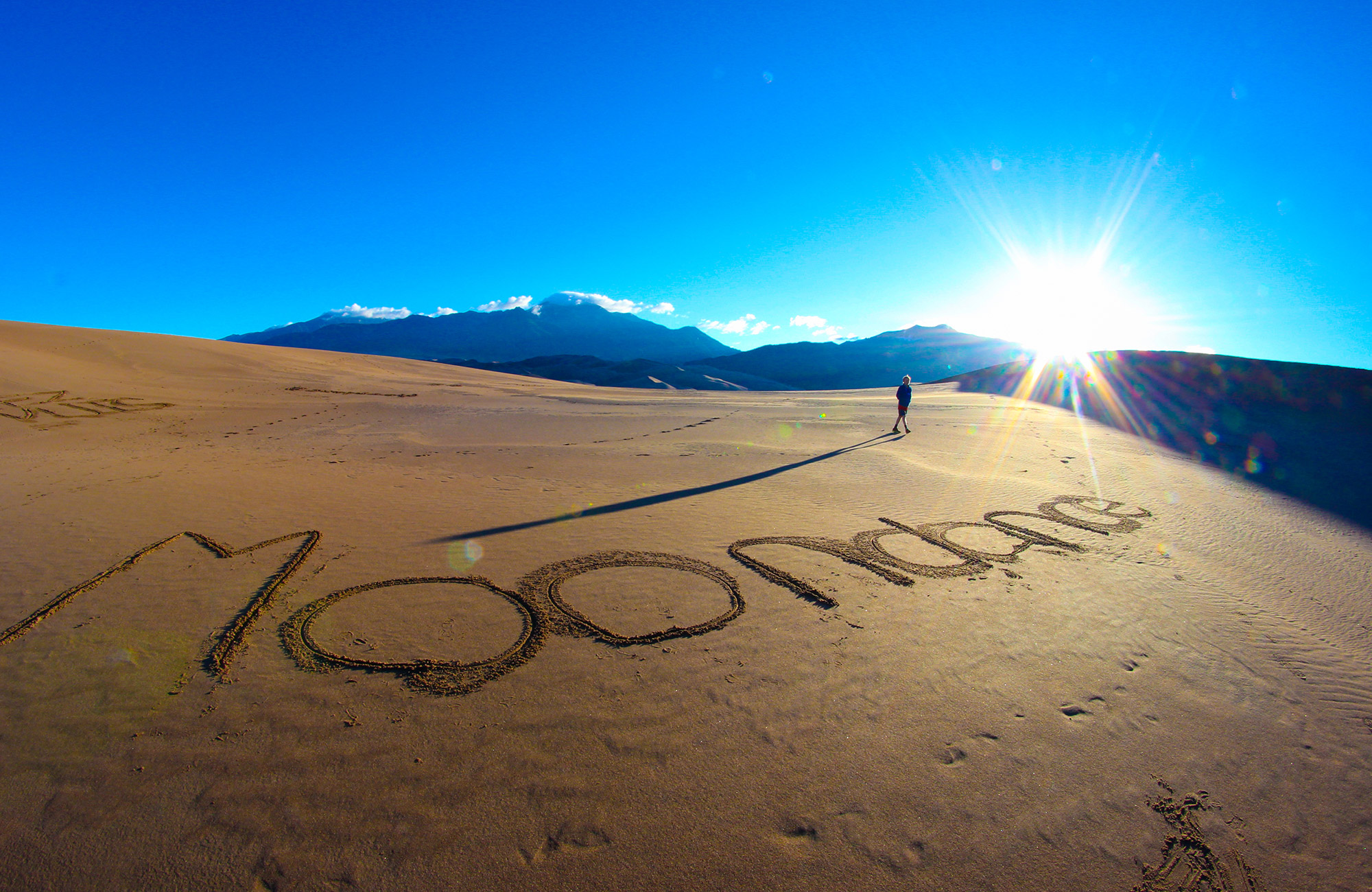
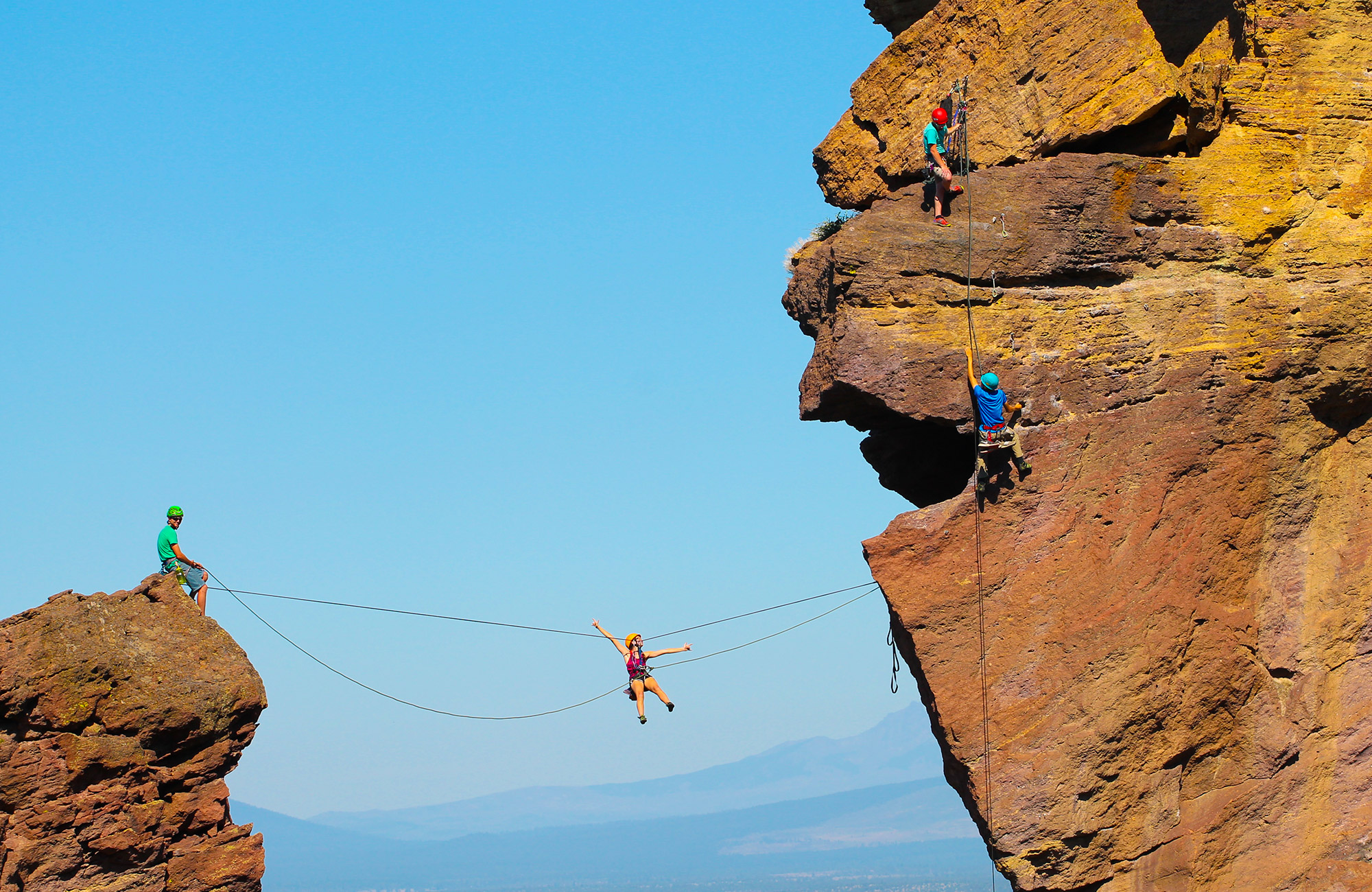
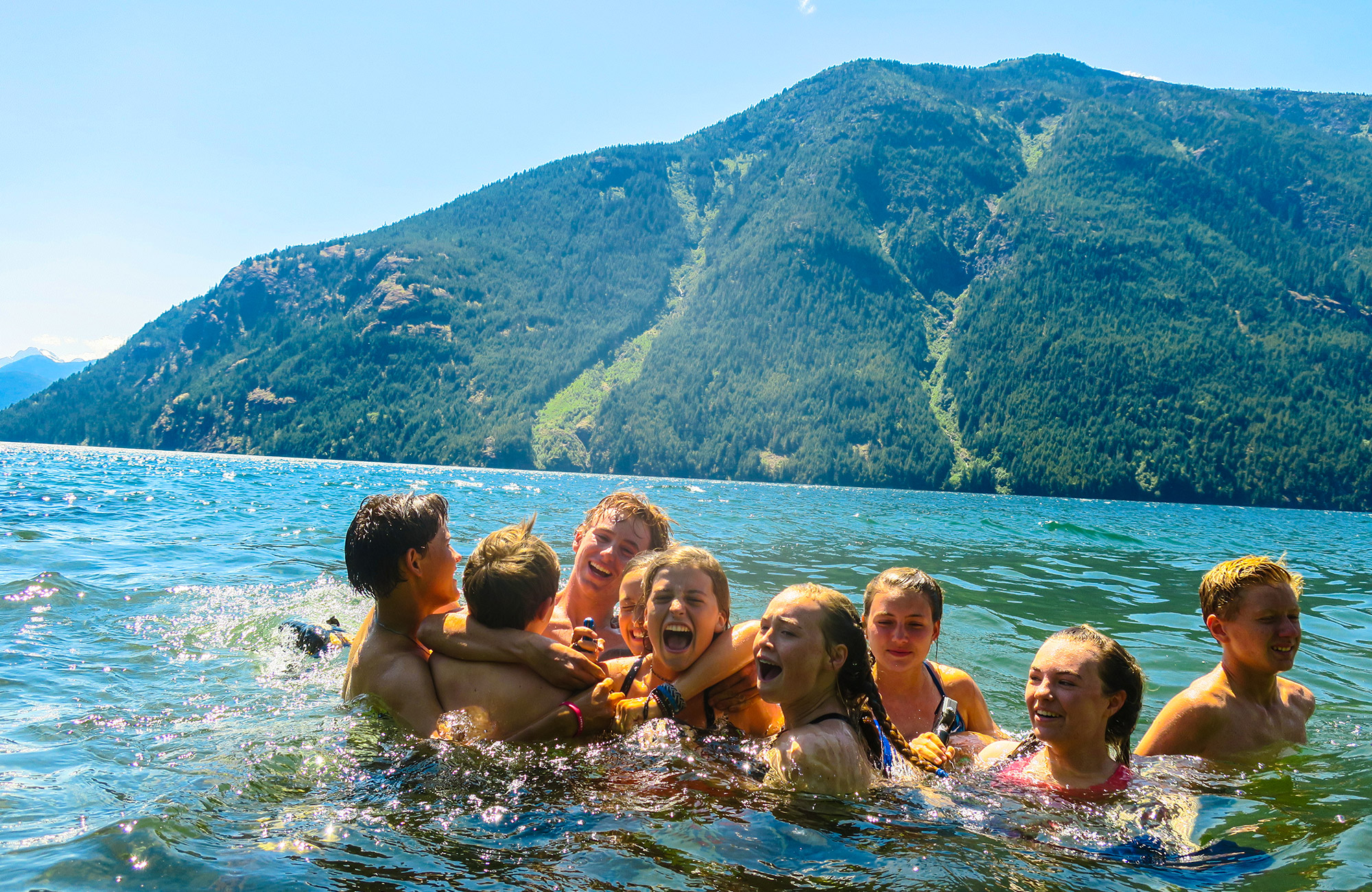
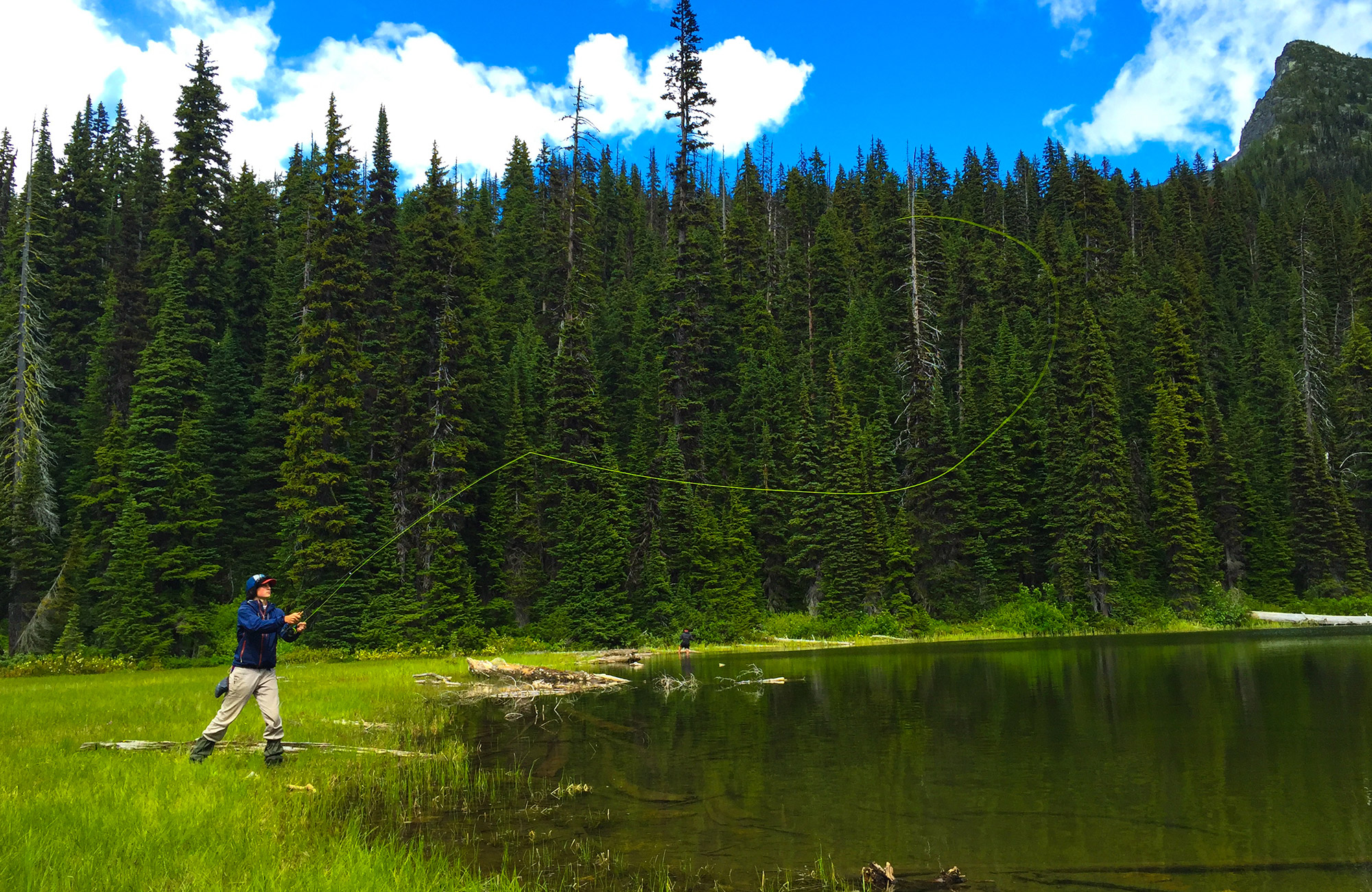
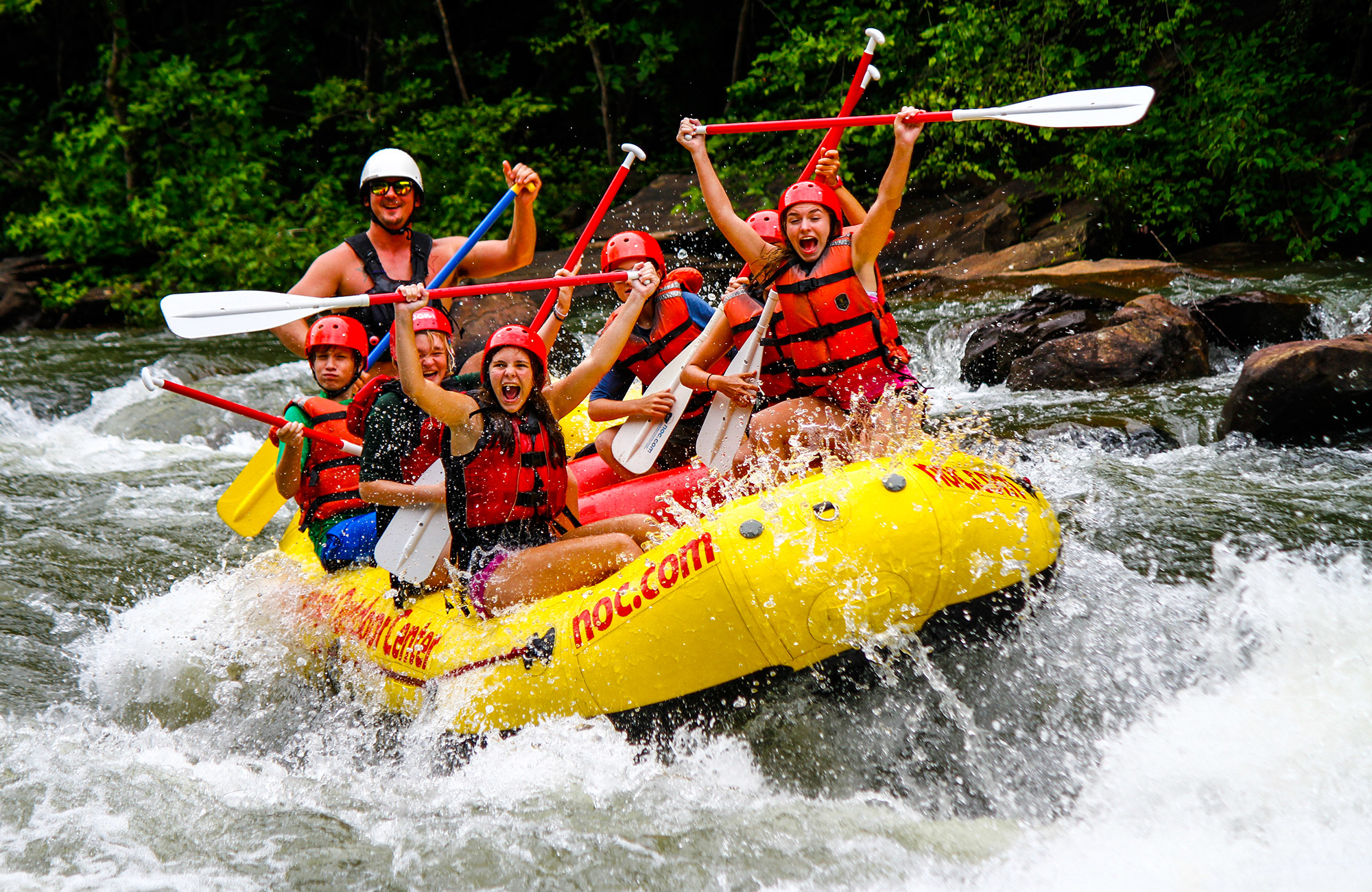
There is no typical day on a Moondance adventure! You may be backpacking along the coast one day, climbing at Smith Rock the next, or preparing to summit Mount Rainier. Some days you may have the chance to relax by a mountain lake and fly fish or toss a Frisbee; other days you may be weaving through Class IV rapids. Either way, each day will be filled with a new adventurous activity. After a day of fishing, learning how to belay, or summiting a peak in the area, your group will find a beautiful site to set up camp for the evening and enjoy a warm meal with a hot drink. No matter what adventure you choose, each night ends with ‘moonup;’ a chance to debrief the day, talk about upcoming adventures and challenges, and just hang out.
Where is Olympic National Park?
Olympic National Park is located on the northwestern peninsula of Washington state and is bordered by the Pacific Ocean to the west and the Strait of Juan de Fuca to the north. Second to that of British Columbia, the coastline of Olympic National Park is the longest and wildest stretch of beach in North America. For our two backpacking sections, we will be able to explore many different parts of Olympic National Park.
Do I need any special gear for rock climbing? What about experience?
There is no extra gear required for any climbing section on Moondance. It’s great if you have your own climbing shoes-bring them!-but our professional guides will supply us with everything we need including ropes, harnesses, shoes when necessary, and helmets. Absolutely no experience is required to have fun on the rock. Once you try it, you’ll realize that the learning curve is high! For both beginners and more experienced climbers, there will always be opportunities to reach beyond preconceived limitations on particular routes.
Do I need to break in my boots for the backpacking section?
Absolutely! The most common medical injury we face in the backcountry is blisters. Though that may not seem like a big deal, blisters can turn a 6-mile hike into a nightmare if not properly attended. If you are buying new boots, be sure to begin wearing them 1-2 months before your trip begins, with a bit of weight on your back if possible. Leather boots can take some time to mold to your feet, so start early! Synthetic layers on boots tend to adjust more easily, but be sure they are mid-weight boots with plenty of traction. Give us a call with any questions you have regarding particular gear for your trip!
How many miles do we backpack in a given day?
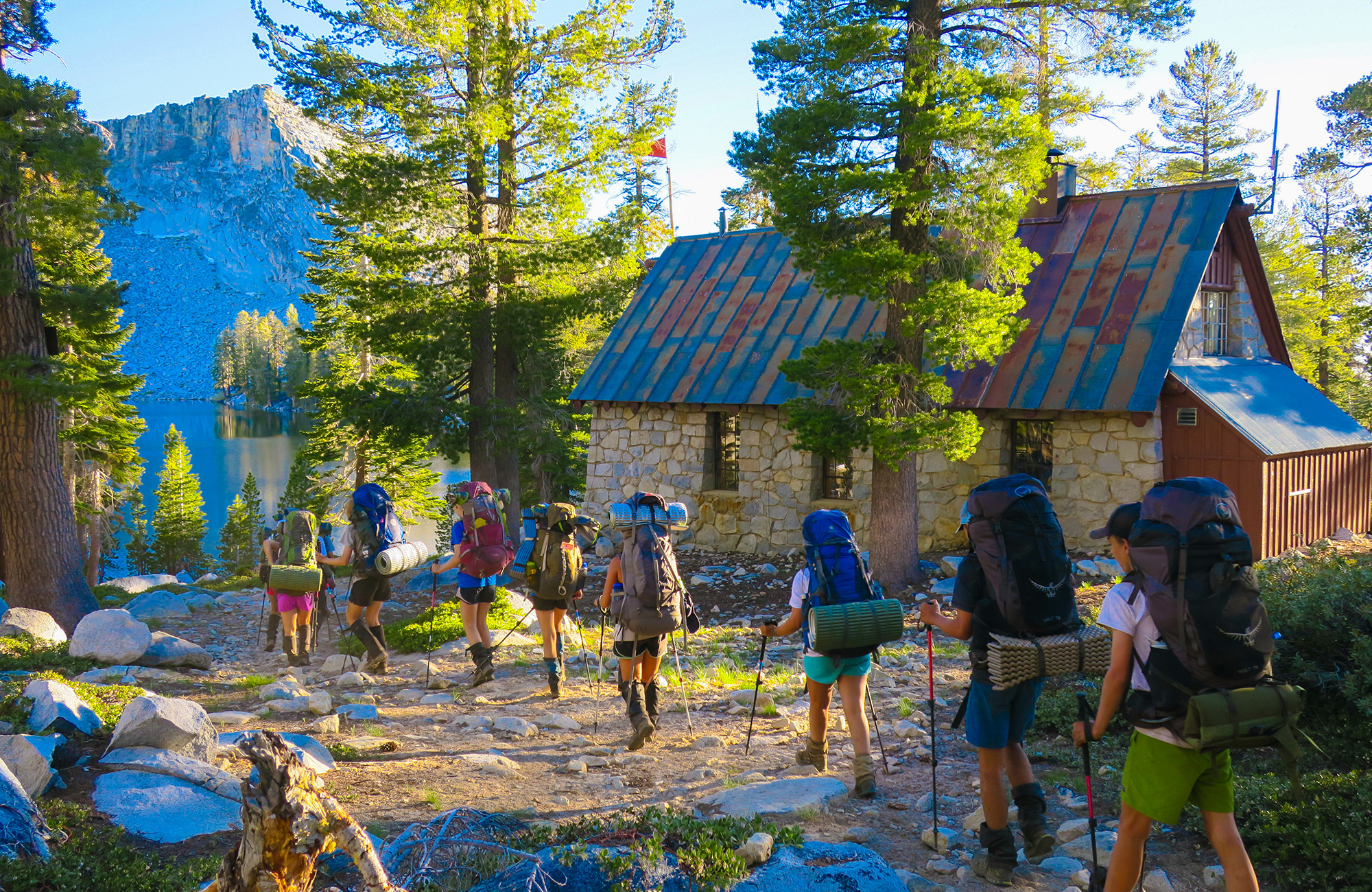
During your time in the backcountry, you will find that the weather can change both frequently and quickly. Thus, your itineraries could vary, and your instructors may decide that it is safer to set up camp early rather than continue hiking. Your group will begin to read weather patterns and will start to make these kinds of decisions too, with your instructor’s help. In any case, this may mean that some days you only hike a couple of miles, while on other days when the weather is ideal and your group feels strong, you knock out 7-8 miles.
What else do we do during our backpacking section?
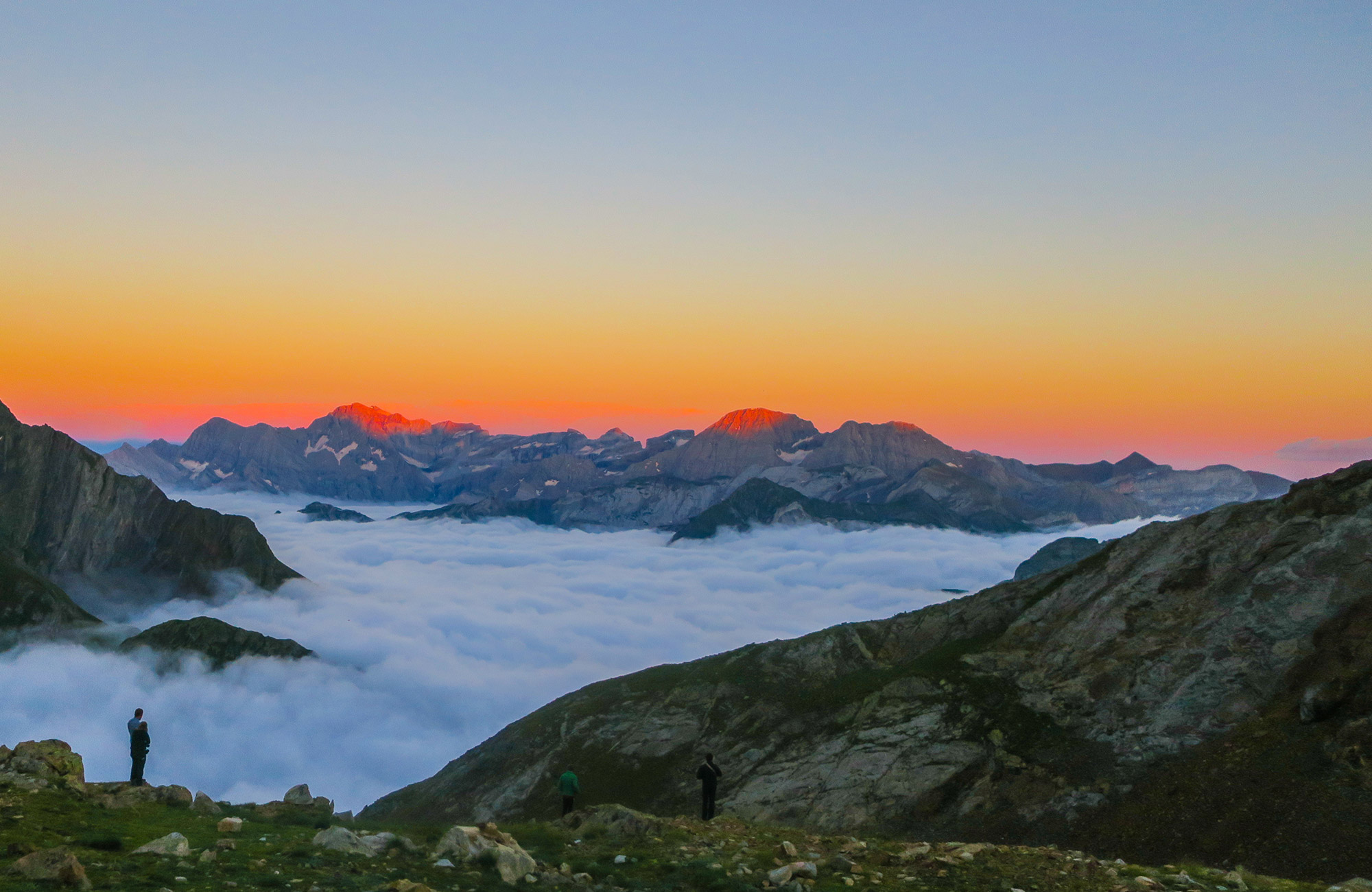
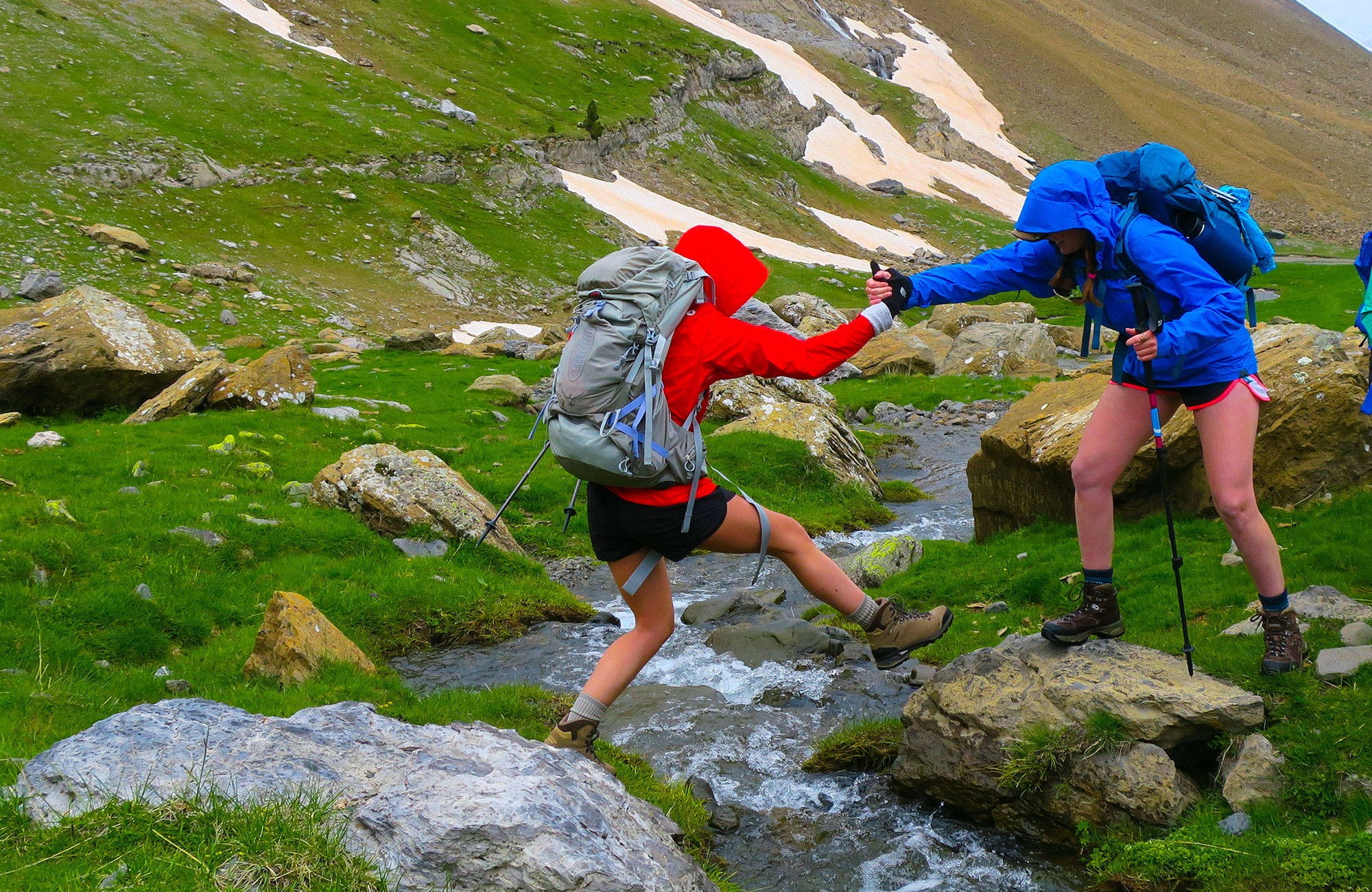
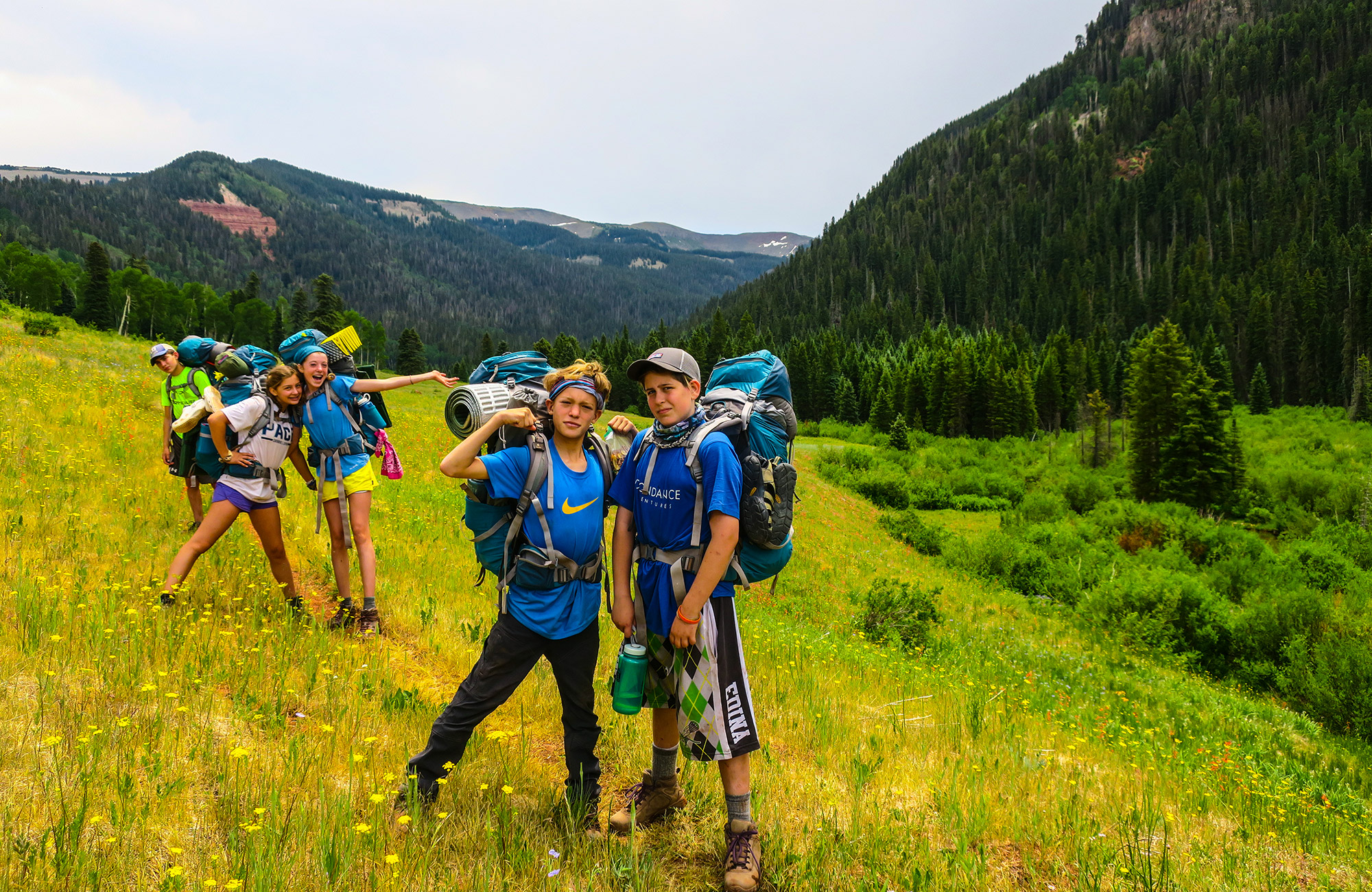
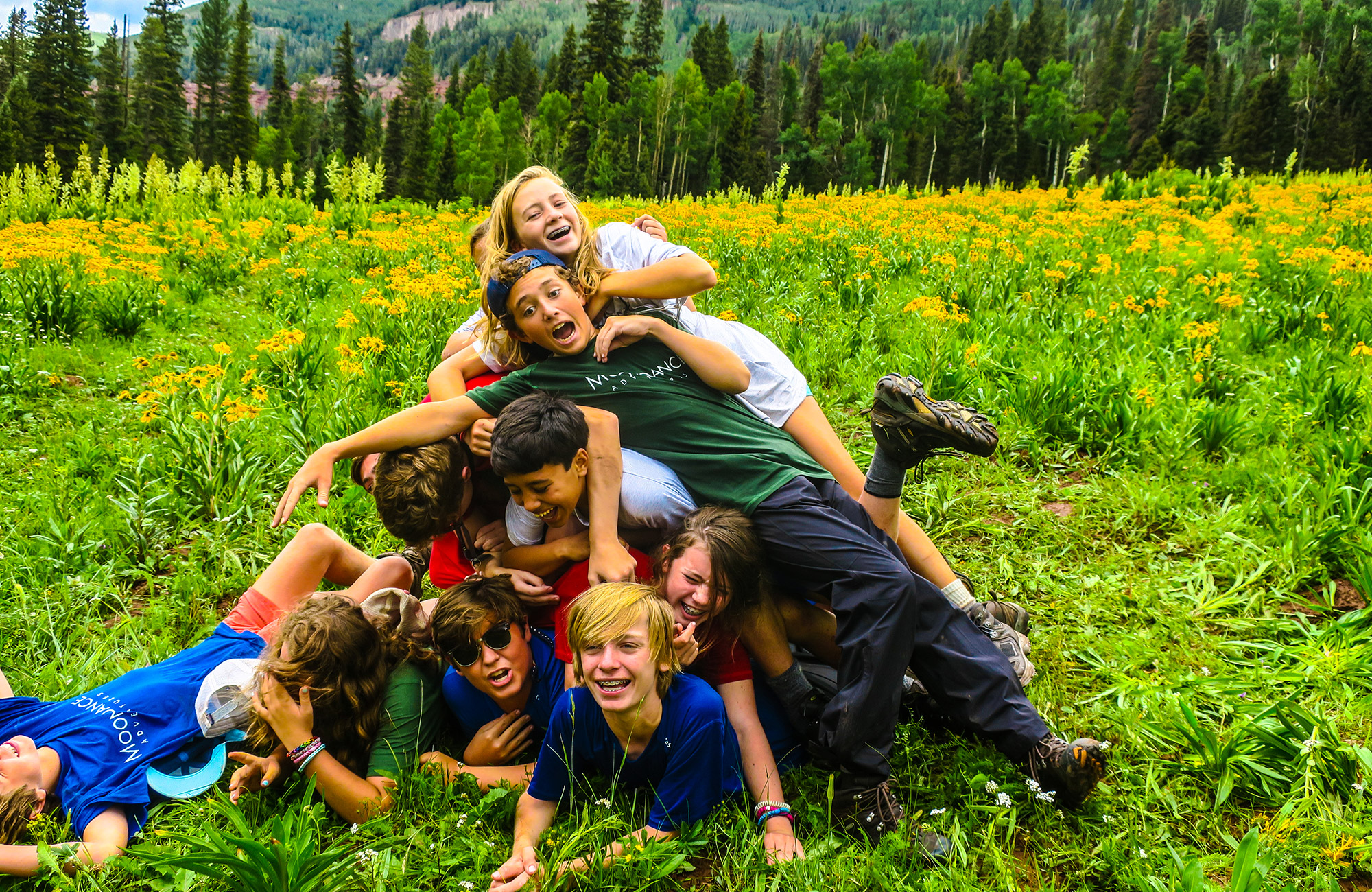
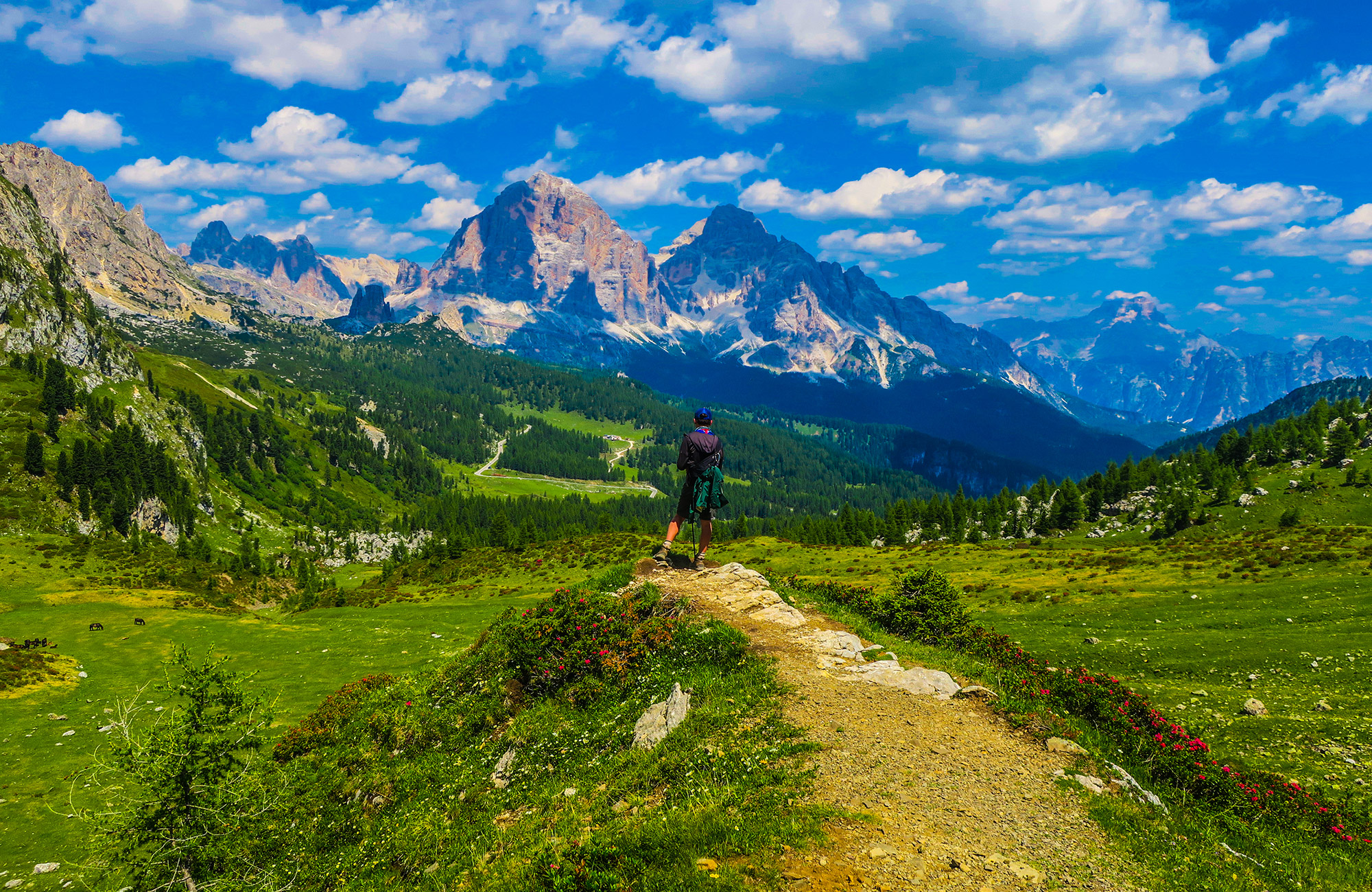
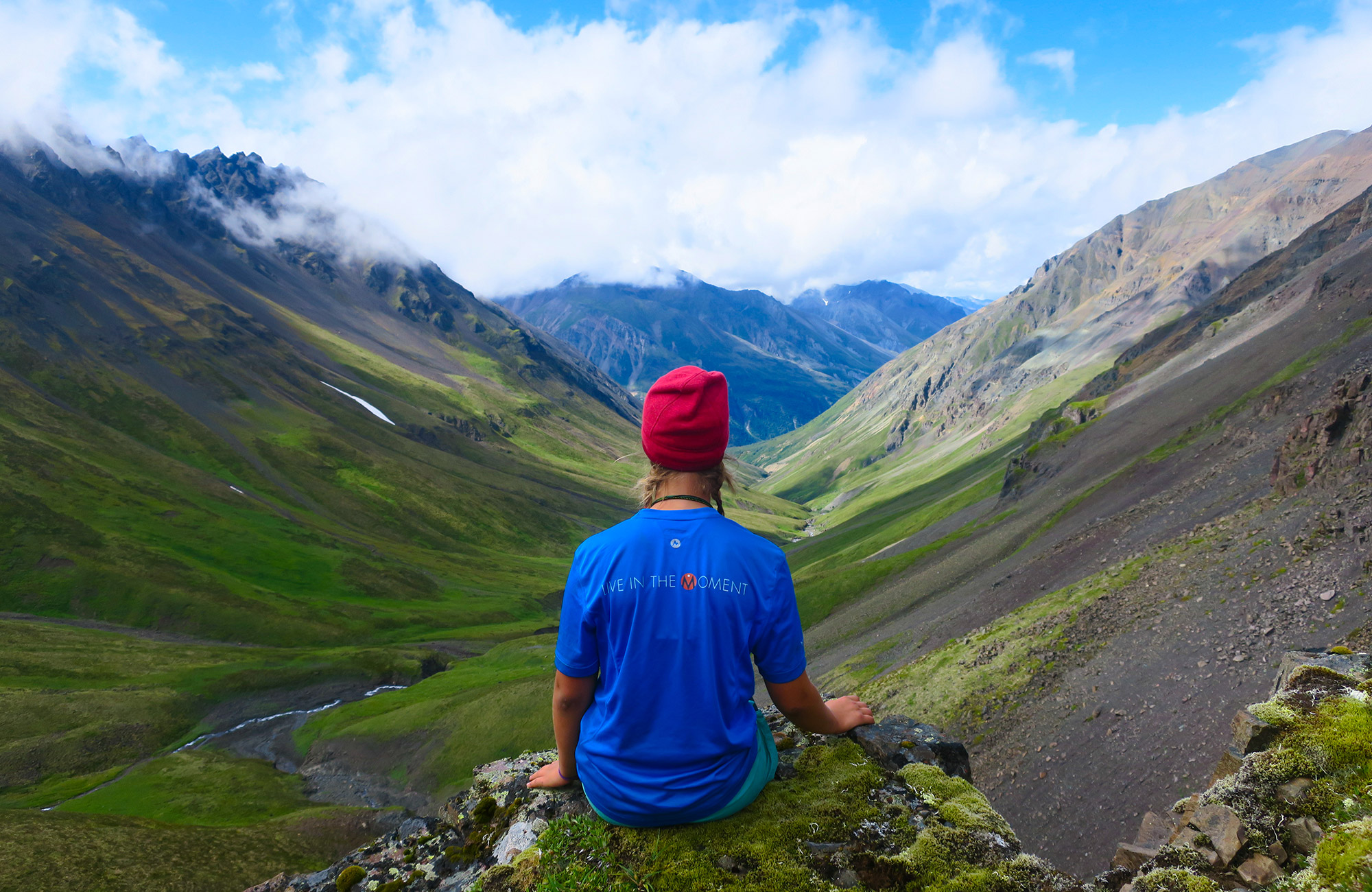
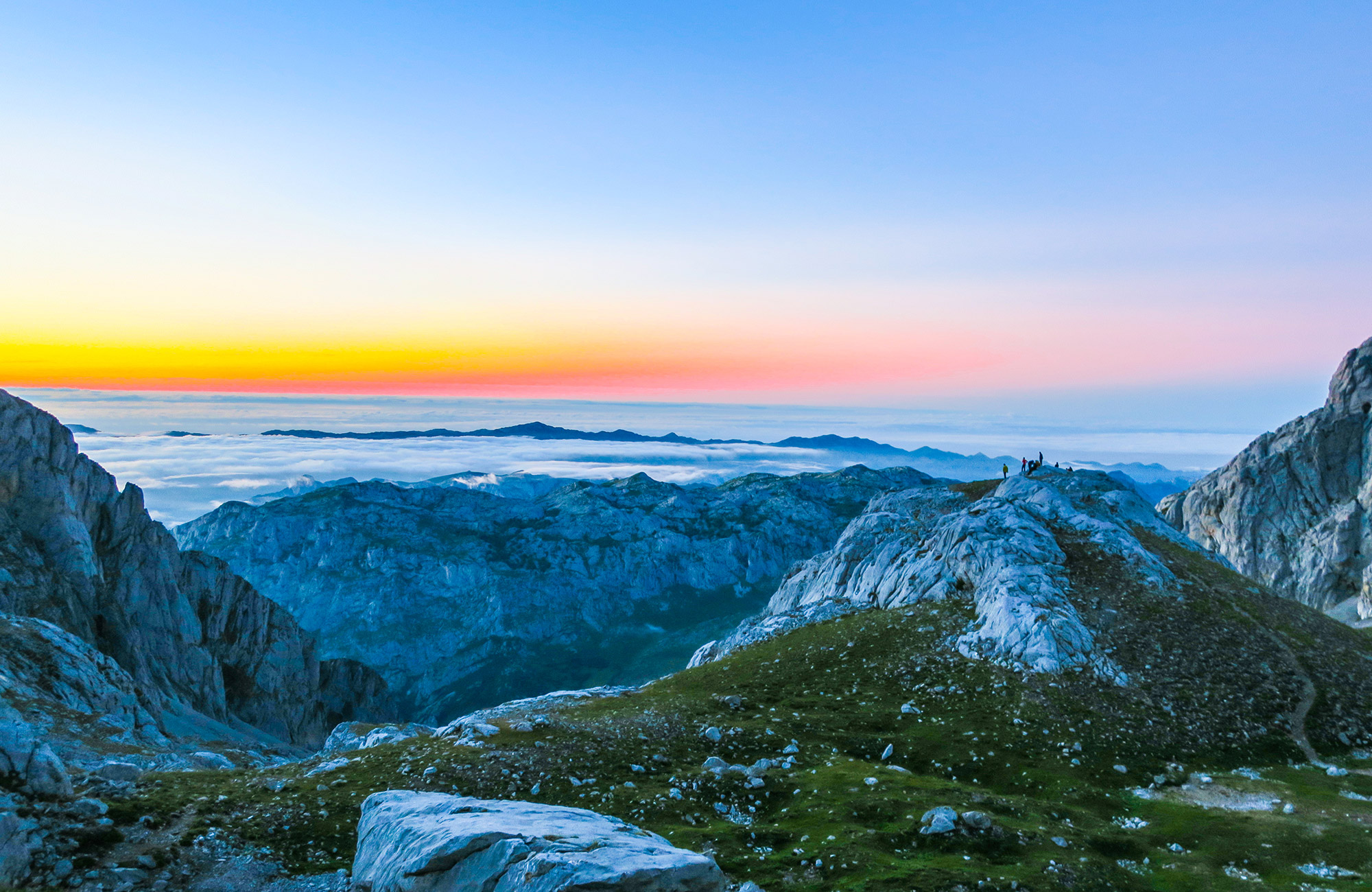
You will be backpacking through the beautiful Cascade Mountain Range that is home to elk, marmot, mountain goats, and wolves, so keep your eyes pealed! You will fine-tune your map skills as you navigate through the dense forests of Olympic National Park as well as be able to perfect your backcountry culinary talent at breakfast and dinner. There will be plenty of panoramic views along the way and peaks just beckoning to be summited. Most of all, though, you will experience the simplicity of life that accompanies backpacking: carrying your belongings on your back and laughing harder than you will have in a long time.
Will we rock climb while on Mt. Rainier?
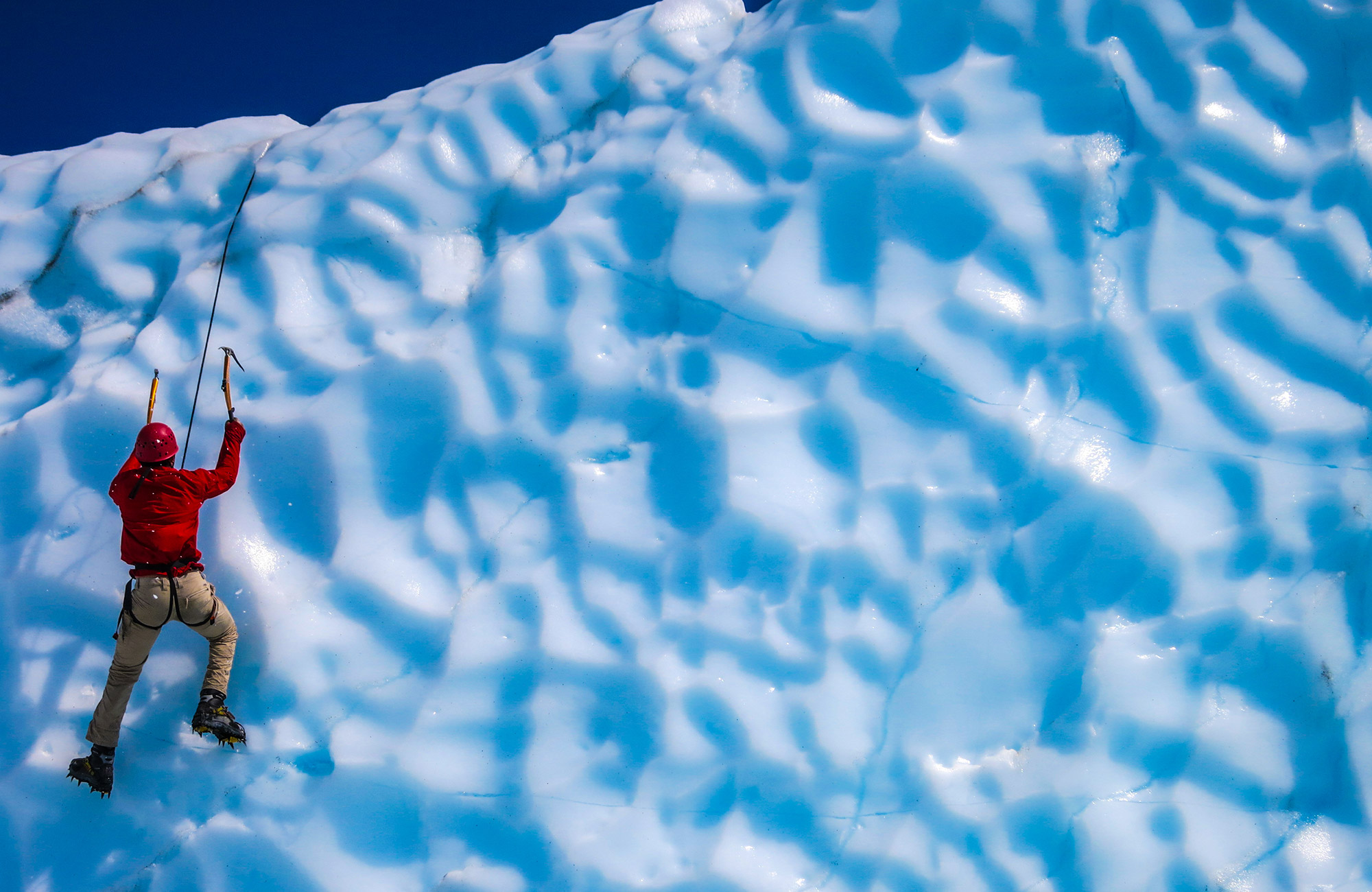
When climbing Mount Rainier, instead of using our rock climbing expertise from the previous section, we will be using important mountaineering skills that we’ll learn during “snow school”. Mountaineering requires crampons (metal prongs attached to our boot) for extra traction on ice, rather than rock climbing shoes, as well as an ice axe and ropes.
Do we climb Rainier in our hiking boots?
We will trade in our hiking boots for plastic mountaineering boots. These boots are more durable, completely waterproof, and perfect for glacial travel. You may find they’re pretty comfortable too, since all are lined with soft padding! Moondance and Rainier Mountaineering, Inc. will provide you with all of the technical gear that is needed for mountaineering (crampons, axes, boots, etc.).
What’s the weather like in Washington?
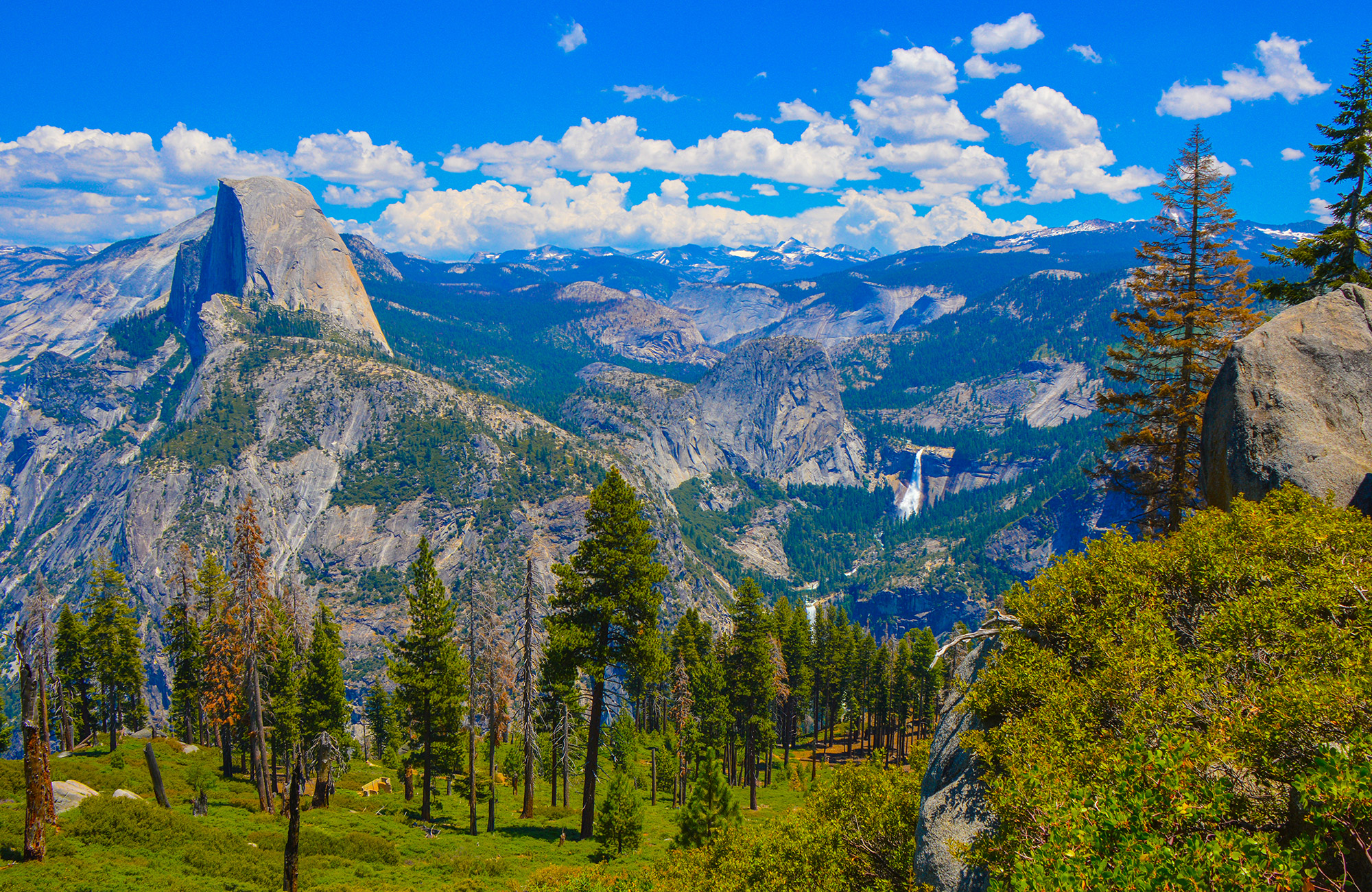
Depending upon your location, temperatures in Washington will vary. Coastal temperatures are strongly influenced by the Pacific Ocean and thus tend to remain between 70-75°F during the summer months. Further inland, rainforest temperatures are typically between 60-70°F and are accompanied by brief, light rain showers. However, as we venture higher in to mountains and closer to the 14,410 foot summit of Mount Rainier, temperatures will be lower and snow will be abundant but with sunshine, the only thing on your mind will be the unbelievable panoramic view of the Cascades.
What will I learn by the end of my trip?
By the end of your Moondance experience, you may learn how to cook a great meal, how to find your way using topographical maps and a compass, or how to belay a new friend who is climbing above you. Most of all, you’ll learn that life’s lessons are often camouflaged as a brilliant rainbow that follows a storm, a challenging mountain and a heavy pack, or strangers that become family at the end of 21 days. The self-confidence that one gains by exploring the unknown provides a constant foundation for life’s adventures down the road.