Moondance Adventures
Kilimanjaro

FAQs

Do I need a Passport and a Visa?

You must have a passport and a Tanzanian Visa for your Kilimanjaro adventure. Your passport must be valid for six months AFTER your trip to Tanzania (July 17 or July 24, 2013), therefore the document cannot expire before January 17 or 24, 2014. If you do not have a valid passport, please apply for one as soon as possible. The application process can take between four to six weeks. You will not be able to apply for your visa until you have a valid passport. For information on applying for a passport, please visit the U.S. Department of State website for Passport Information. You have the option to have your passport expedited by the US State Department or a private passport expediter to avoid delays.

How do I apply for my Tanzanian Visa?

Once you have a valid passport, you will need to apply for a single-entry travel visa to both Tanzania and Kenya. You will need the following items to receive your Tanzanian Visa: (1) A completed visa application (2) Your passport (yes, the actual passport!) (3) Two 2’x2’ passport photographs (4) A self addressed, postage-paid envelope to facilitate the return of your passport and Visa (5) Proof of travel plans (please see Moondance’s Trip Preparation Info) (6) A notarized letter jointly signed by the parents or legal guardians of the student approving the minor to travel to Tanzania (7) Visa fee of $100 payable by cash, money order, credit card or personal check. Personal checks should be accompanied by a copy of a valid driver’s license. (8) Please ensure that all your paperwork is well organized (i.e photo stapled at the top left side of Application form, while your itinerary and application form are together) and send your information to the following address. Embassy of the United Republic of Tanzania, 1232 22nd St. NW, Washington D.C 20037. Please visit the Embassy of Tanzania’s website for more information and to access the application.

How do I get more information on Visas and Passports?

Please go to the “Trip Preparation Info” page under the FAQ section at the top of the page for helpful links, sample Visa applications and proof of travel plans. Your paperwork packet also includes the necessary information for applying for your Visas. You can access your paperwork online at “My Moondance.” Please do not hesitate to call the Moondance office if you have any unanswered questions.

What are the accommodations?

While you’re in Tanzania you’ll have a few different lodging opportunities. While working at the school in Tanzania, you’ll sleep in a tented lodge with the group with access to a pool, showers and bathrooms. During the Mount Kilimanjaro trek, you’ll sleep in 2-person Mountain Hardwear tents provided by your guides and porters. During the safari, you’ll camp in tents in national parks. You’ll also have a few nights in local hotels for proper rest and showers!

Where does my trip start?

You and your group will fly together with your leaders and group from Atlanta to Kilimanjaro, Tanzania.

What happens in a typical day?

It will all depend on whether you are trekking, visiting a local village, or snapping photos on a safari, but you can expect to laugh, see a beautiful part of Tanzania, and learn a couple of things about each activity. After a morning and afternoon of mountaineering, your group will hike to your campsite, set up camp for the evening and enjoy a warm meal and a hot drink. Each night ends with “Moonup;” a chance to debrief the day, talk about upcoming adventures and challenges, and just hang out.

How far will I hike each day during the Kilimanjaro Trek? How many days of trekking will we do until we reach the summit?

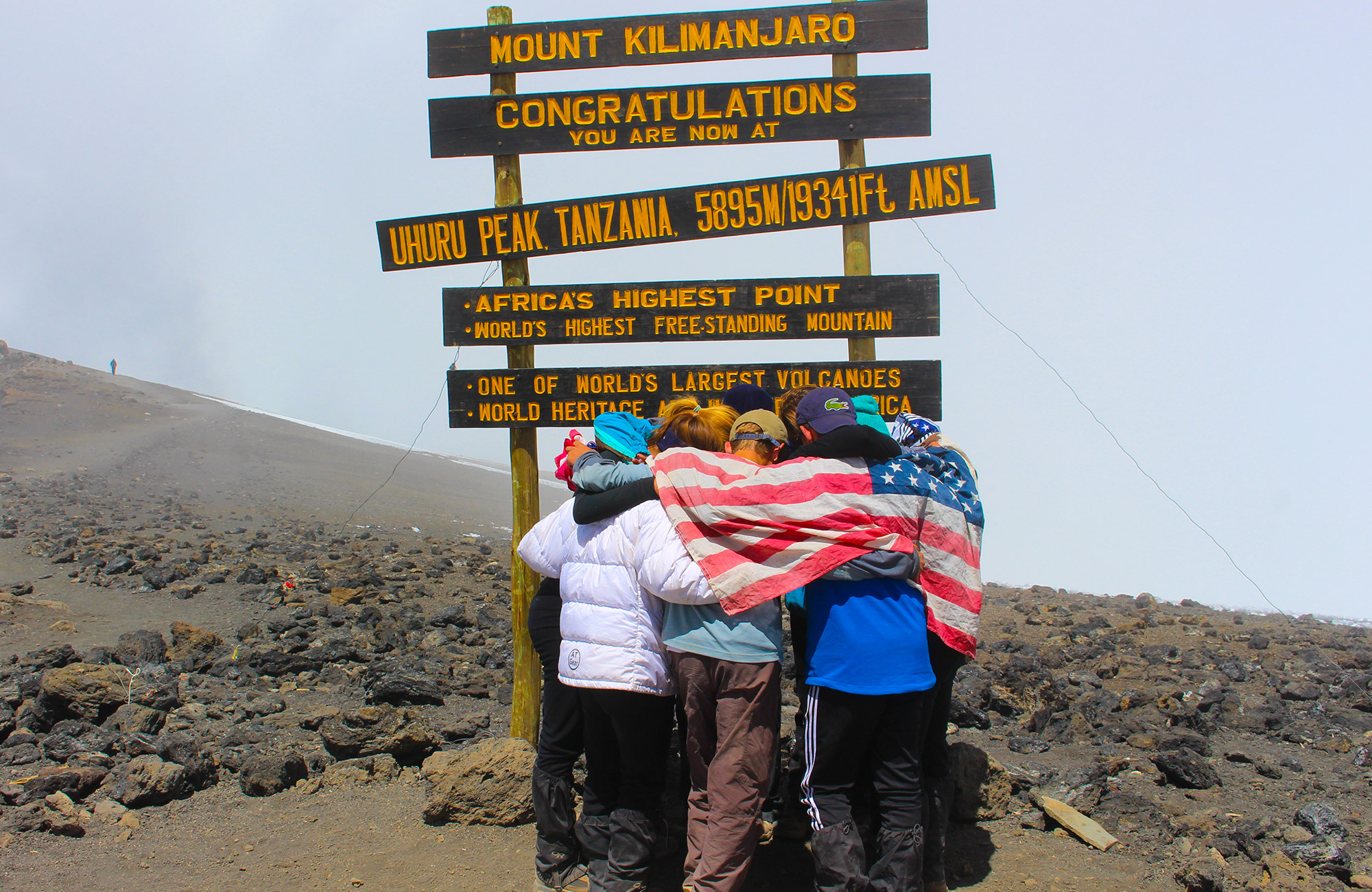
Trekking Mount Kilimanjaro is strenuous yet you’ll be an amazing group and you’ll have porters and guides to help carry your gear. You can expect to hike anywhere from 4 to 8 hours each day, with the last day (summit day) as the longest and most strenuous. The total trek will be 7 days, which will allow us an additional day with very minimal activity for proper acclimatization.

How cold is it on the summit of Mount Kilimanjaro?

It will be the dry season when you climb the mountain and for the most part, it will be relatively mild until the very last day (summit day). During that day you can expect temperatures to range between 5 and 20 degrees Fahrenheit. Never fear however, you’ll have all the appropriate gear to keep you warm, your body will be working hard up the mountain, and by the time you reach the top, the weather will be the last thing on your mind! The exhilaration and the accomplishment of what you just did will be overwhelming.

What community service projects will I do?

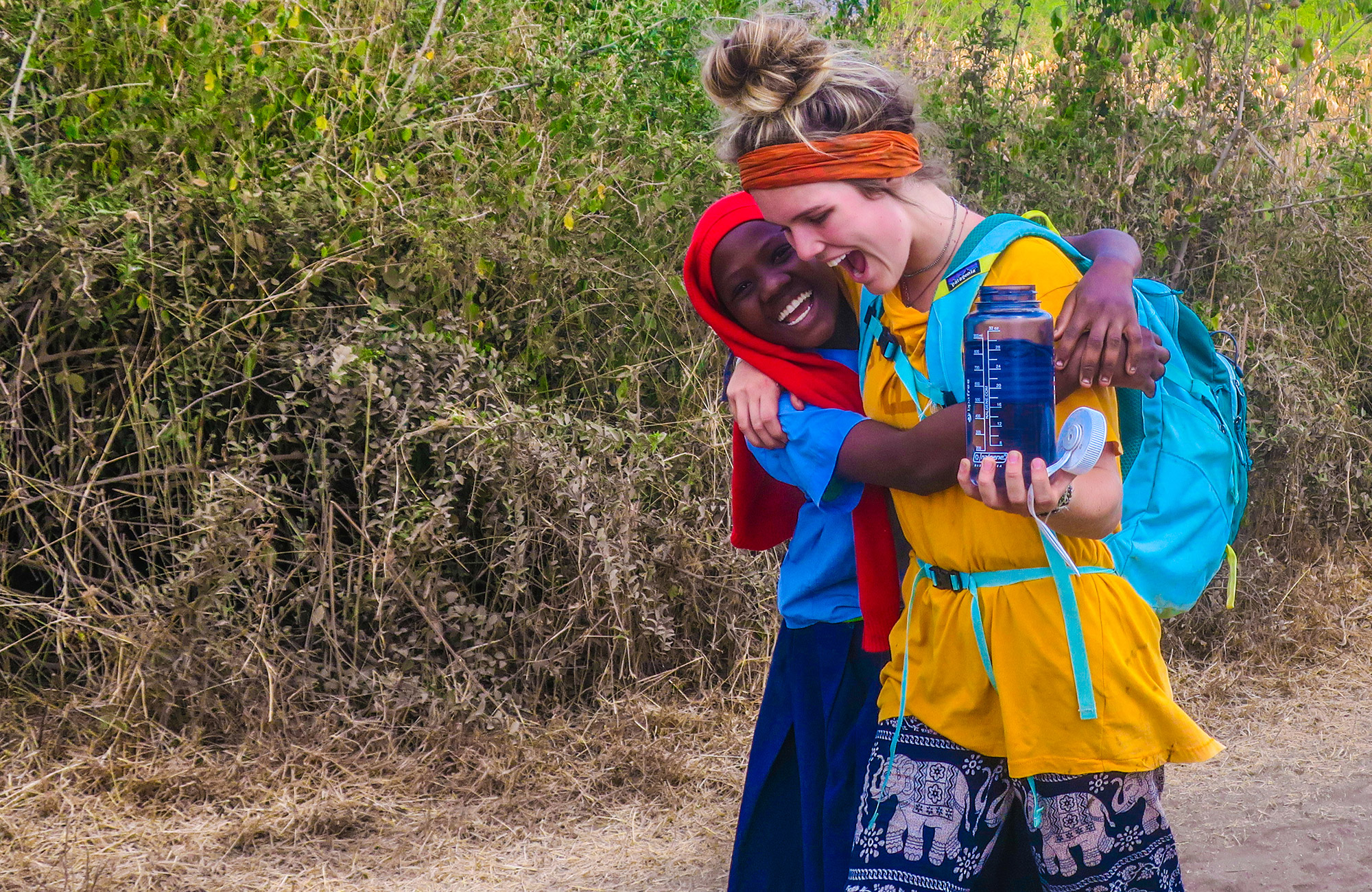
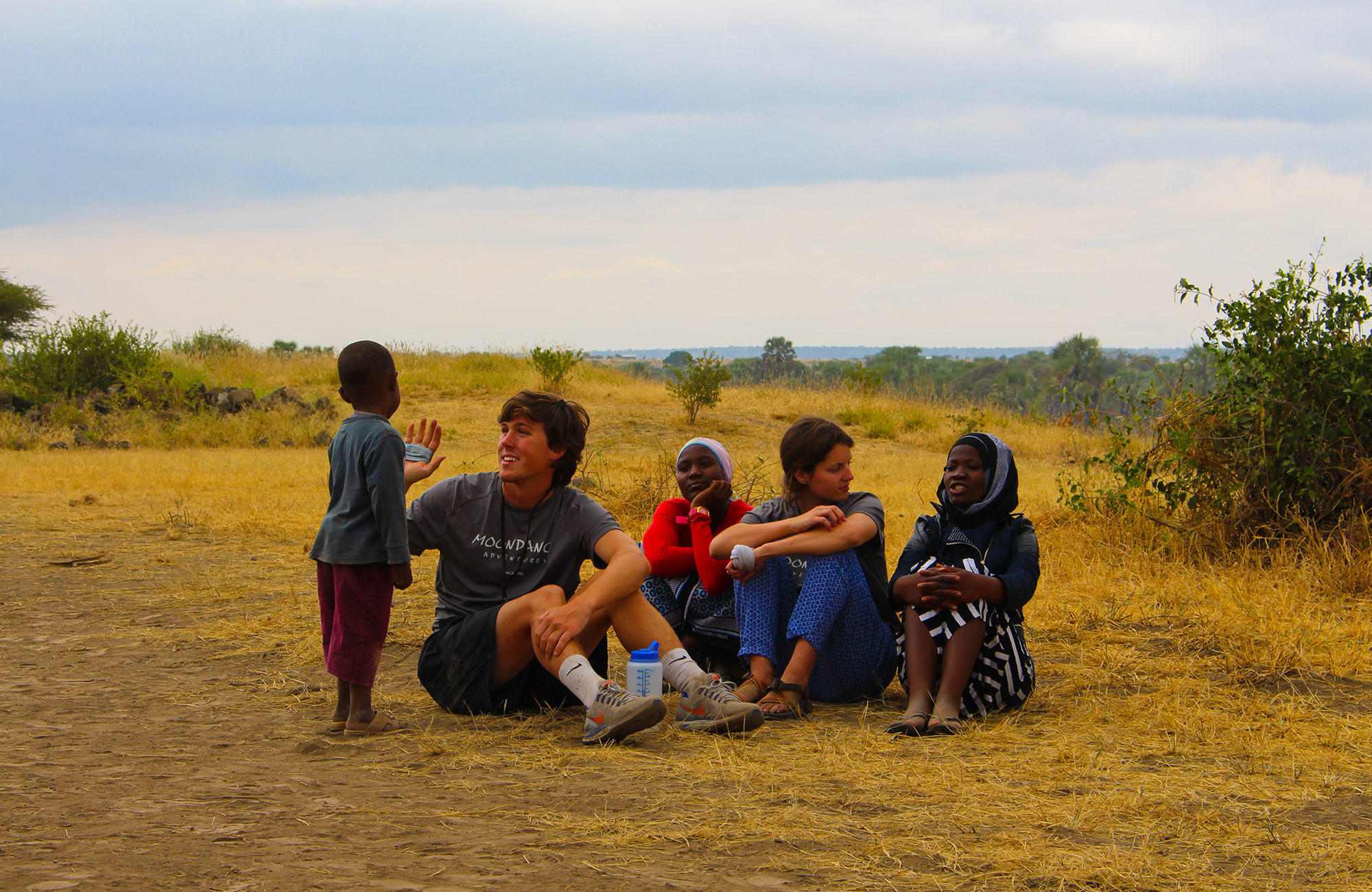
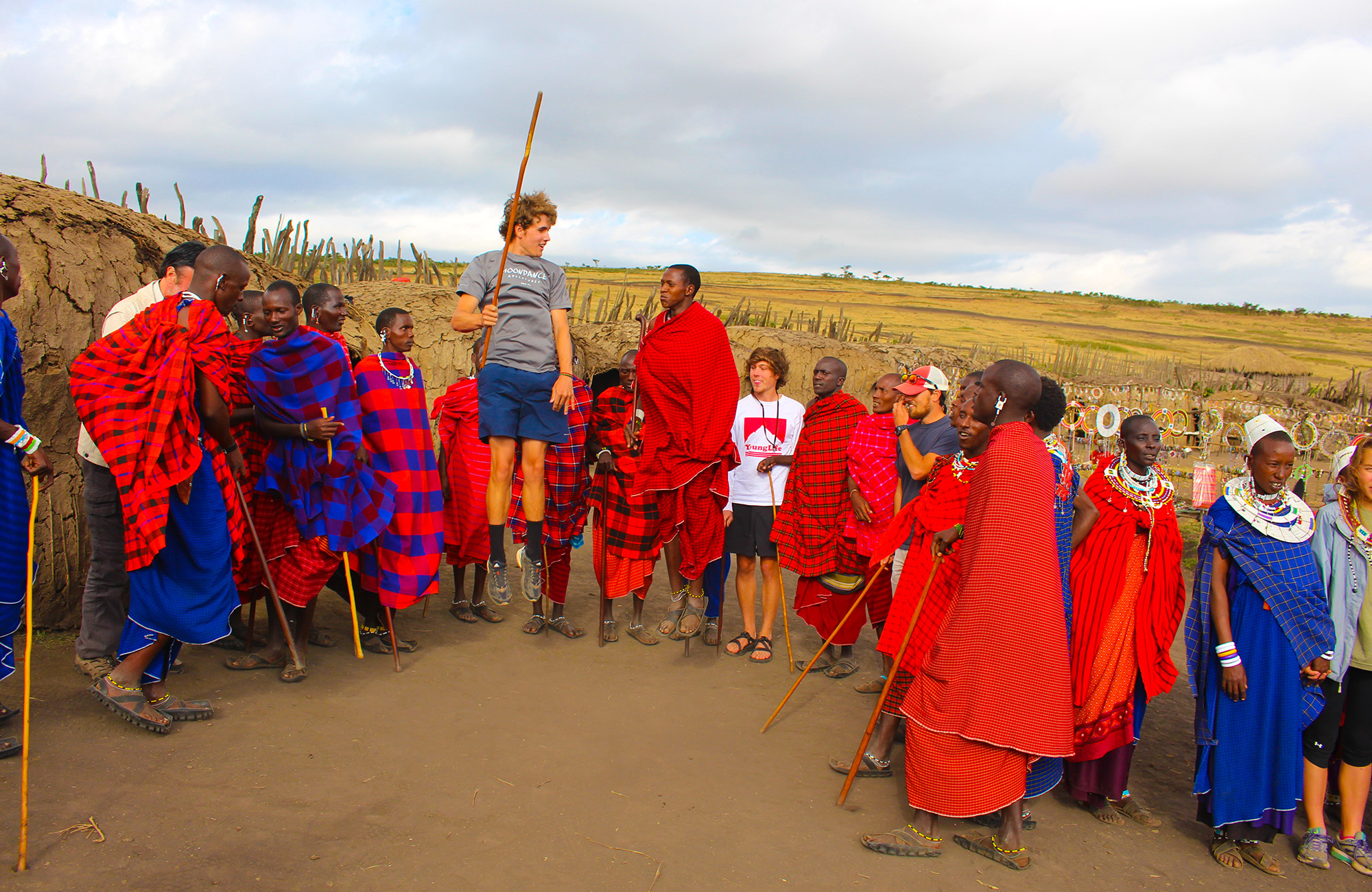
While you’re in Tanzania, you’ll work with an organization called the Red Sweater Project of Tanzania. This wonderful organization was established to decrease the poverty of East Africa through educating youth and laying the foundation for successful, sustainable communities. You’ll spend five days getting to know the children, helping with construction projects, working in the local garden, and you’ll even tour Masaai family huts – being completely immersed in their culture! It will be an experience of a lifetime!

Where are we going on safari?

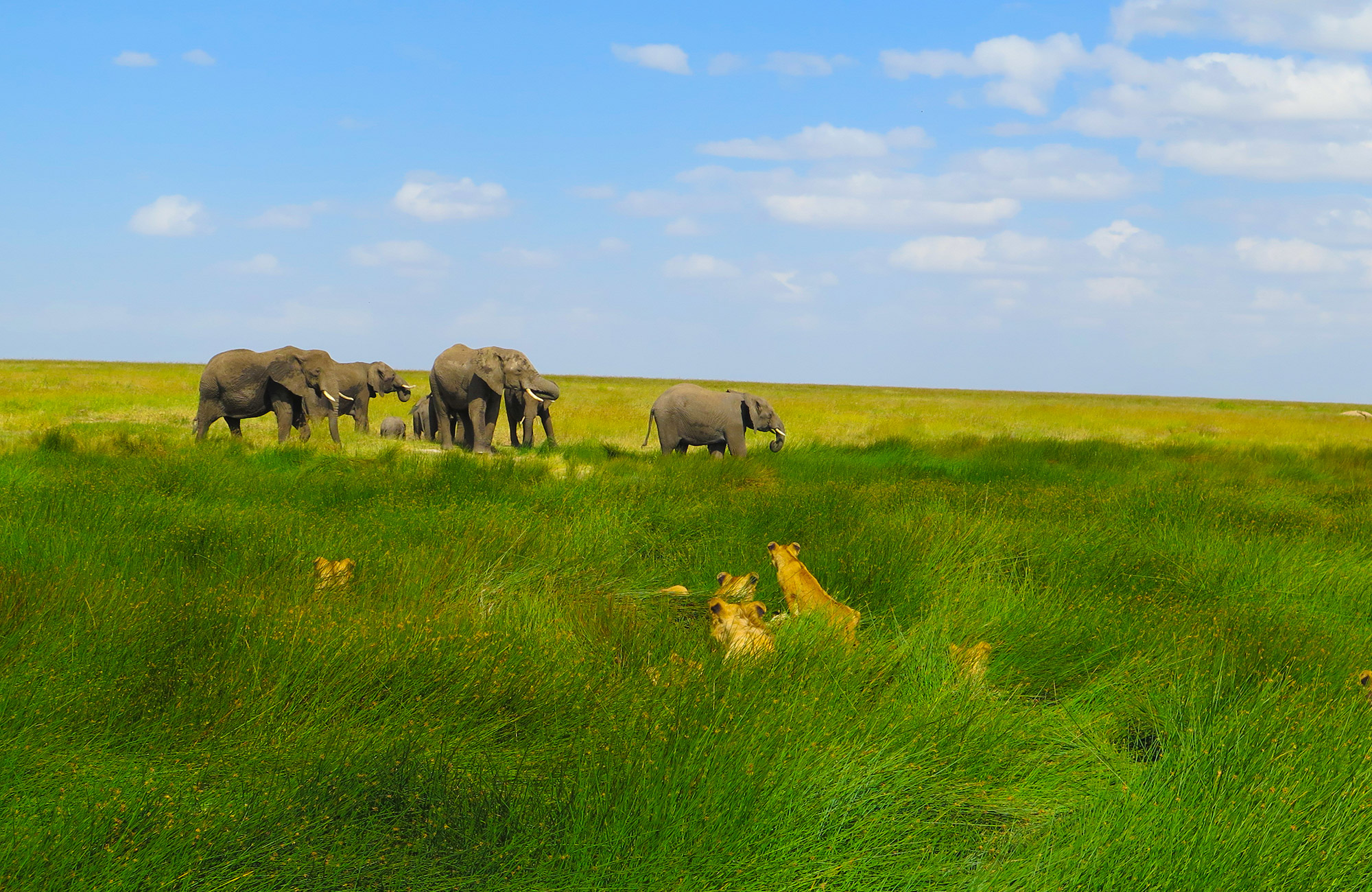
You will be at the Serengeti National Park and the Ngorongoro Crater. You’ll see a wide variety of African wildlife as you participate in morning and afternoon game drives.

How will we get around Tanzania?

You and your group will have private transportation everywhere you go during your adventure. You’ll specifically travel in 7 passenger open-roof land cruisers during the safari section.

Where is Tanzania on the African continent?

Of Africa’s 53 independent countries, Tanzania is located on the Indian Ocean coastline in the north eastern part of the country.

What is the weather like in Tanzania?

Tanzania is famous for its sunshine, but remember that you will be visiting during the end of their rainy months so don’t forget to pack a fleece for chilly nights. Humidity is relatively low, and daytime highs are in the upper 80’s. The sun is strong so make sure that a brimmed hat and plenty of sunscreen is packed.

Do I need to break in my boots?

Absolutely! The most common medical injury we face in the backcountry is blisters. Though that may not seem like a big deal, blisters can turn a hike into a nightmare if not properly attended. The best way to avoid blisters is to buy boots that fit you properly and to wear them often to break them in. Leather boots can take 1-2 months to break in, so start early! Once your trip starts, your leaders will show you how to care for your feet to avoid any unwanted blisters!

Are there any vaccinations I need for this trip?

The CDC recommends that travelers to Tanzania have at least a current tetanus booster, a yellow fever vaccination, a Hepatitis A vaccination, Hepatitis B vaccination, rabies vaccination, and a typhoid vaccination. When you receive your yellow fever vaccination, you will be given a card documenting that you have the proper vaccinations. You will need to have this card when you travel to Tanzania. We continue to discuss this with doctors and clinics as well as the Center for Disease Control to gain their insights into this important issue. According to all these sources, with regard to health concerns, travel to Tanzania is a safe experience. Nevertheless, rare diseases such as malaria, typhoid and yellow fever are still problems in some portions of the country. We will not be visiting the regions where these diseases are a problem, but taking these precautions helps ensure a safe traveling experience in Tanzania. While not mandatory, the clinics, doctors and the CDC also recommend a prescription for one of the following anti malarial drugs: malarone, mefloquine, doxycycline, or atovaquone/proquanil. Malarone, although a little more expensive, is most popular because its side effects, if any at all, are less severe than other antimalarial medications. If you have a subscription to doxycycline, please keep in mind that it will make you very sensitive to sun, which means that extra precaution in sun protection will be key, especially while on the mountain.  Malaria medicine should be purchased in the United States, as drugs purchased oversees are not manufactured according to United States standards.
What will I learn by the end of my trip?

By the end of your Moondance experience, you may learn how to cook a great meal, how to communicate with people from a unique culture, or how to help navigate up a mountain peak. Most of all, you’ll learn that life’s lessons are often camouflaged as a brilliant rainbow that follows a storm, a challenging jungle trek and summit attempt, the beauty of simple living found within the strong family ties of those you meet, or strangers that become family at the end of 22 days. The self-confidence that you can gain by exploring the unknown will provide a constant foundation for your life adventures down the road.

Trip Overview

Length:23 days
Cost:$ 6495
airfare not included
Current Grade:10th and Up
Begins/ends:Kilimanjaro, Tanzania
Dates: June 25 - July 17FULL
July 2 - July 24FULL
Challenge level:challenging
Highlights:
  • Community Service in the rural villages of Tanzania
  • Earn 30-40 hours of community service
  • Gain an understanding of the African culture
  • Make a summit bid of Mt. Kilimanjaro
  • Wildlife Safari on the Serengeti National Park and Ngorongoro Crater
  • Spend time in a Maasai Village
  • Further develop leadership skills


Kilimanjaro