Leadership
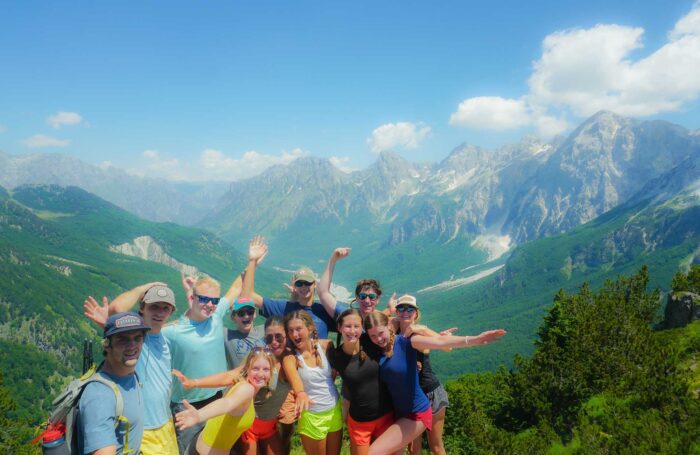
Albania, Montenegro + Greece
| 11th-12th Grade •17 days•$7195 | |
|---|---|
| June 5-June 21, 2026 | Full |
| June 23-July 9, 2026 | Full |
| July 11-July 27, 2026 | Full |
Classic
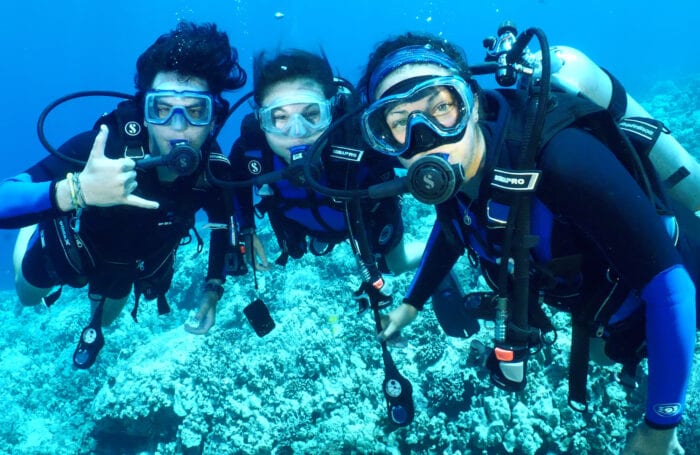
Belize
| 8th-9th Grade •14 days•$6695 | |
|---|---|
| June 4-June 17, 2026 | Full |
| June 20-July 3, 2026 | Full |
| July 6-July 19, 2026 | Full |
Classic
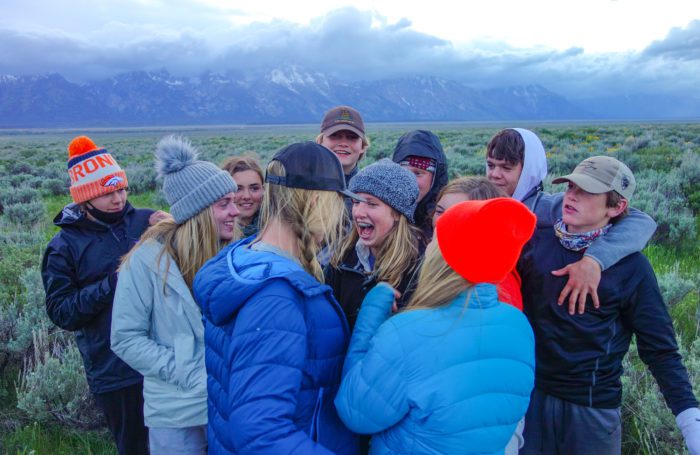
Big Wild
| 8th-9th Grade •14 days•$5695 | |
|---|---|
| June 5-June 18, 2026 | Full |
| June 12-June 25, 2026 | Full |
| June 22-July 5, 2026 | Full |
| June 29-July 12, 2026 | Full |
| July 9-July 22, 2026 | Full |
| July 16-July 29, 2026 | Full |
Classic
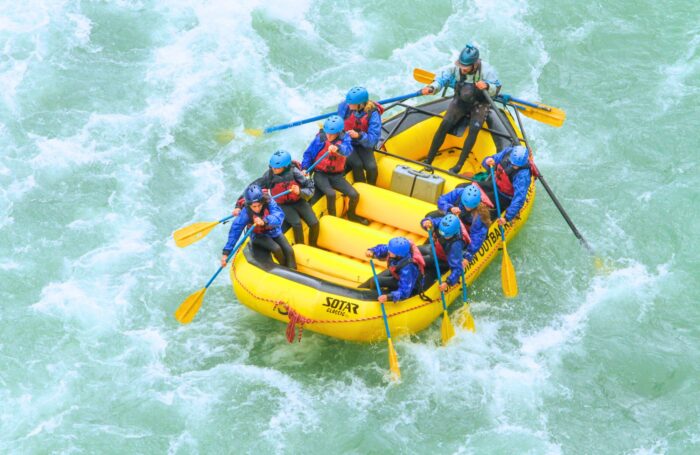
British Columbia
| 7th-8th Grade •14 days•$5695 | |
|---|---|
| June 7-June 20, 2026 | Full |
| June 24-July 7, 2026 | Full |
| July 11-July 24, 2026 | Full |
Discovery
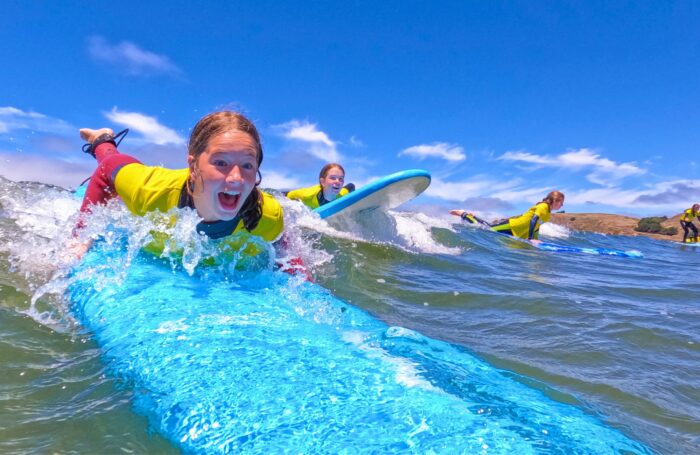
California
| 6th-7th Grade •14 days•$5495 | |
|---|---|
| June 7-June 20, 2026 | Full |
| June 24-July 7, 2026 | 2 Spots for Guys |
| July 11-July 24, 2026 | Full |
Leadership
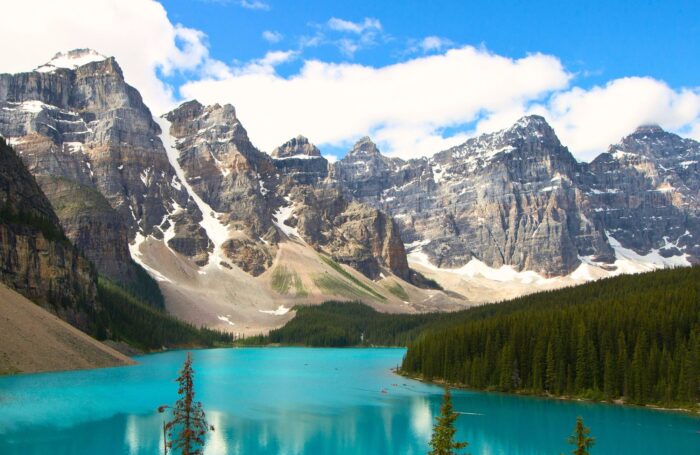
Canadian Rockies
| 9th-10th Grade •14 days•$6695 | |
|---|---|
| June 12-June 25, 2026 | Full |
| June 29-July 12, 2026 | Full |
| July 16-July 29, 2026 | Full |
Classic
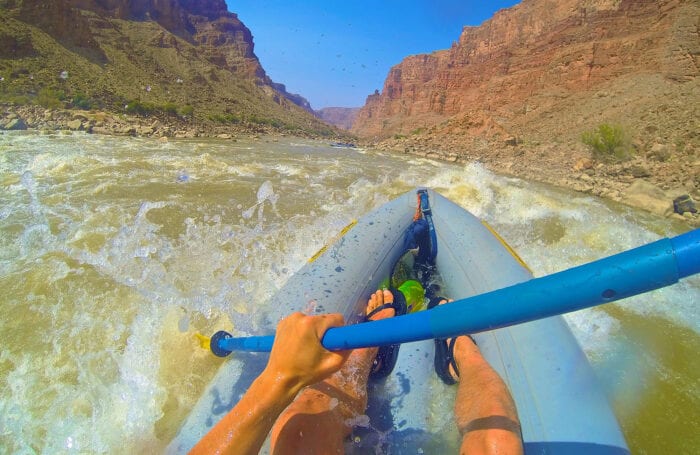
Canyonlands
| 7th-8th Grade •14 days•$5695 | |
|---|---|
| June 7-June 20, 2026 | Full |
| June 24-July 7, 2026 | Full |
| July 11-July 24, 2026 | Full |
Leadership
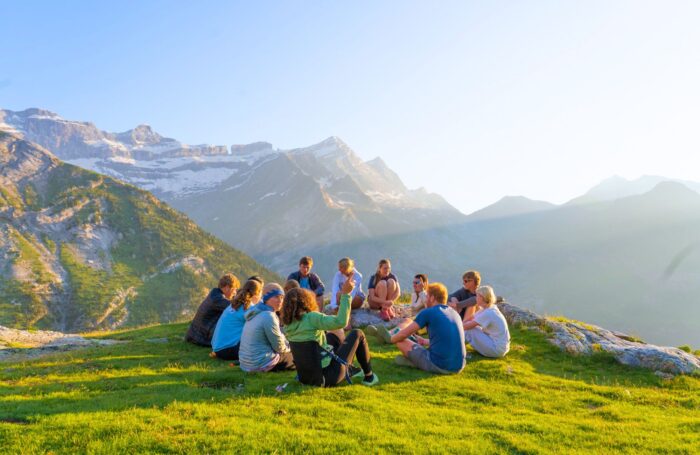
Chamonix
| 10th-12th Grade •23 days•$8695 | |
|---|---|
| June 2-June 24, 2026 | Full |
| June 8-June 30, 2026 | Full |
| June 26-July 18, 2026 | Full |
| July 2-July 24, 2026 | Full |
Discovery
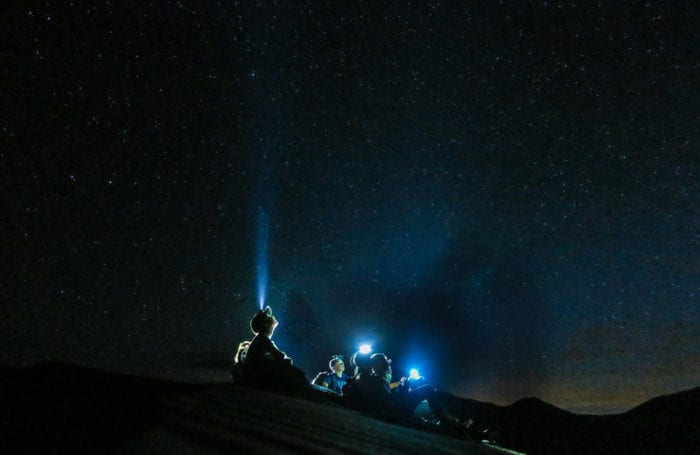
Colorado Trail
| 6th-7th Grade •14 days•$5495 | |
|---|---|
| June 7-June 20, 2026 | Full |
| June 24-July 7, 2026 | 1 Spot for Guys |
| July 11-July 24, 2026 | Full |
Leadership
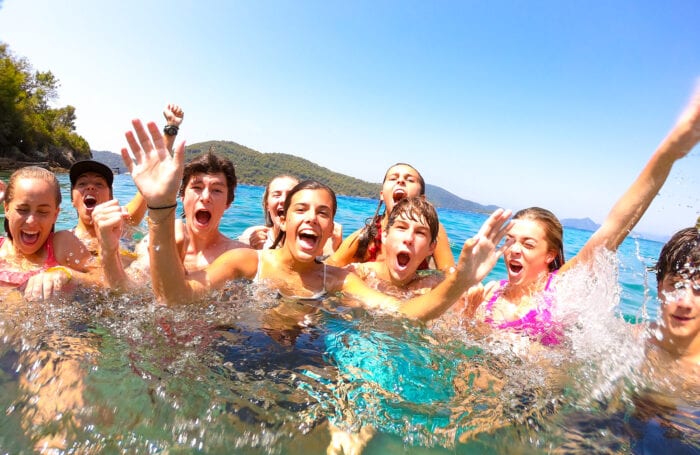
Croatia
| 9th-10th Grade •14 days•$6695 | |
|---|---|
| June 5-June 18, 2026 | Full |
| June 20-July 3, 2026 | Full |
| July 5-July 18, 2026 | Full |
Classic
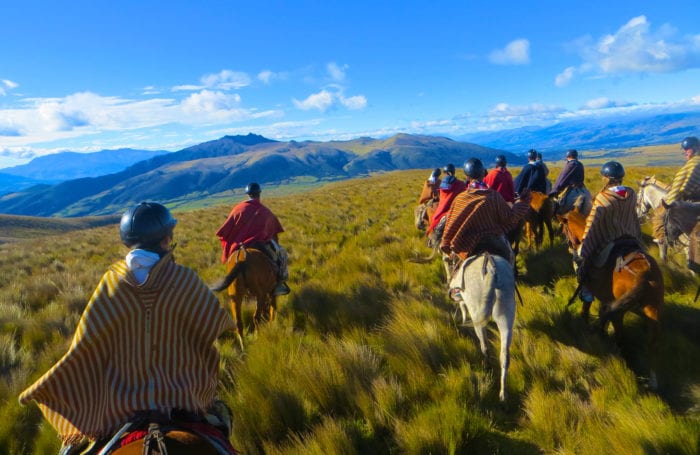
Ecuador + Galapagos
| 9th-10th Grade •14 days•$7095 | |
|---|---|
| June 5-June 18, 2026 | Full |
| June 20-July 3, 2026 | Full |
| July 5-July 18, 2026 | Full |
Classic
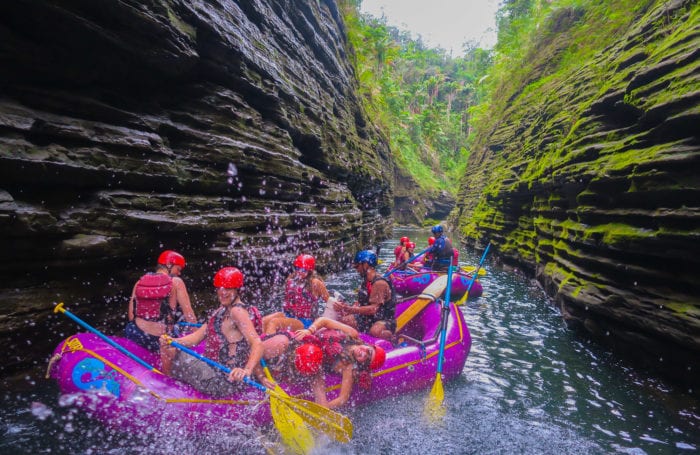
Fiji
| 9th-10th Grade •14 days•$6695 | |
|---|---|
| June 5-June 18, 2026 | Full |
| June 19-July 2, 2026 | Full |
| July 3-July 16, 2026 | Full |
Leadership
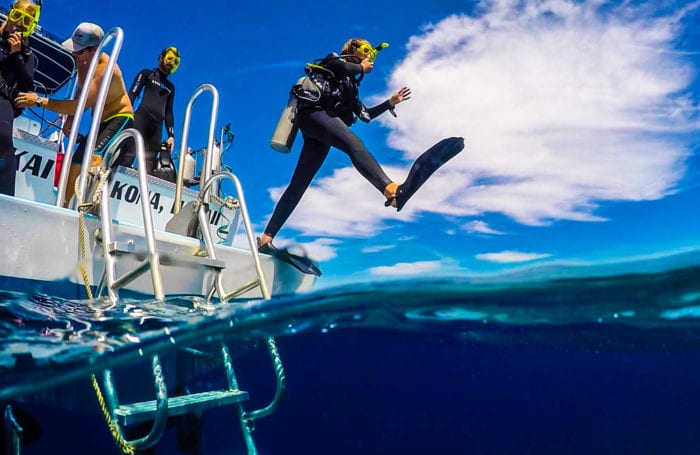
Hawaiian Islands
| 10th-12th Grade •14 days•$6895 | |
|---|---|
| June 6-June 19, 2026 | Full |
| June 22-July 5, 2026 | Full |
| July 8-July 21, 2026 | Full |
Classic
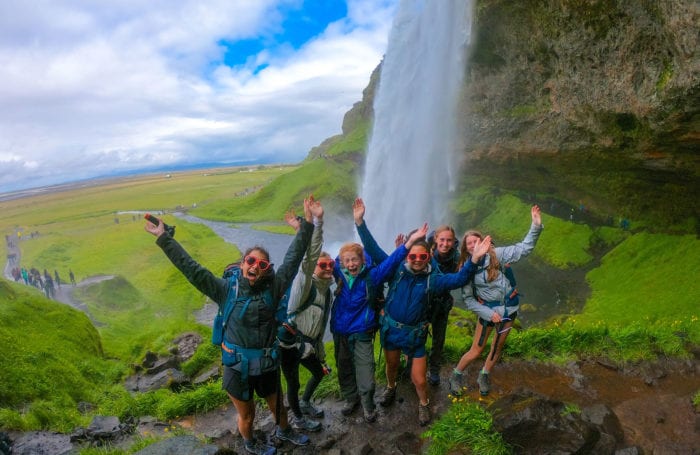
Iceland
| 8th-9th Grade •14 days•$6995 | |
|---|---|
| June 14-June 27, 2026 | Full |
| June 29-July 12, 2026 | Full |
| July 14-July 27, 2026 | Full |
Leadership
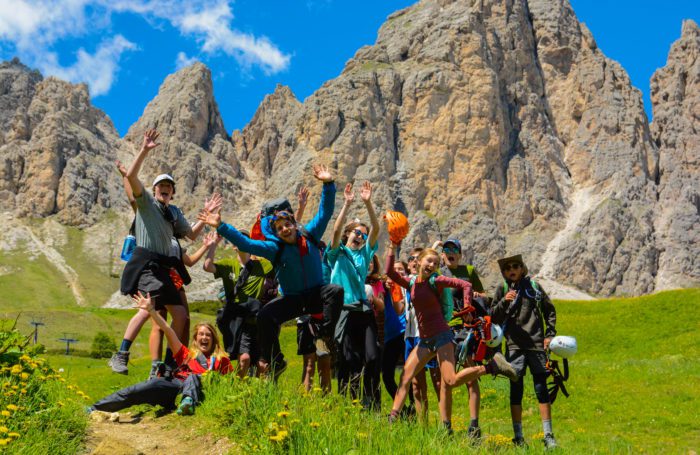
Italian Dolomites
| 9th-10th Grade •14 days•$6695 | |
|---|---|
| June 14-June 27, 2026 | Full |
| June 29-July 12, 2026 | Full |
| July 14-July 27, 2026 | Full |
Leadership
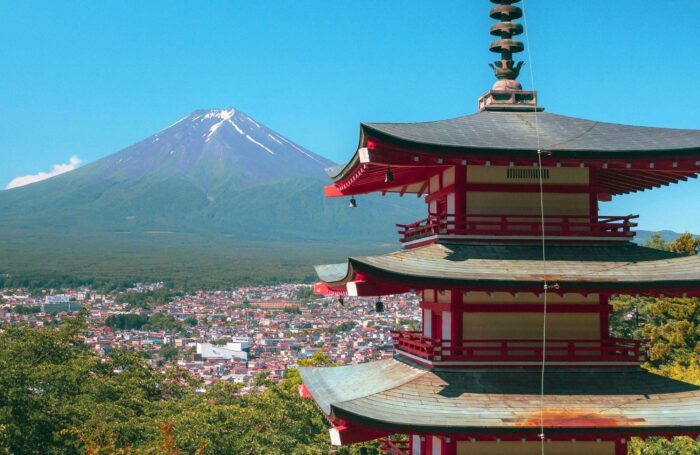
Japan
| 10th-11th Grade •17 days•$7895* | |
|---|---|
| June 5-June 21, 2026 | Full |
| June 23-July 9, 2026 | Full |
| July 11-July 27, 2026 | Full |
Leadership
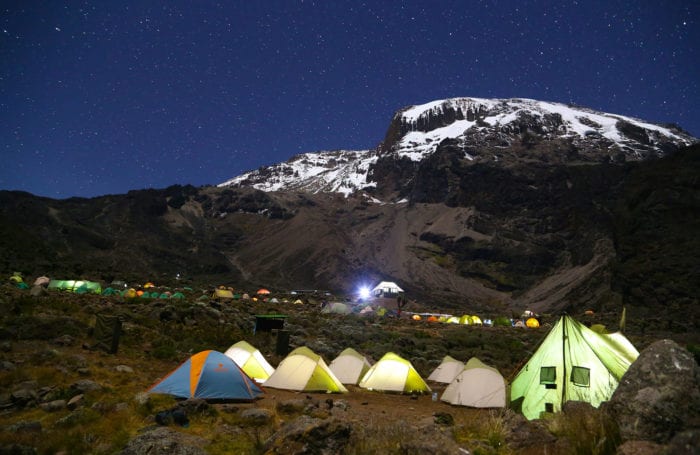
Kilimanjaro
| 10th-12th Grade •22 days•$9695 | |
|---|---|
| June 2-June 23, 2026 | Full |
| June 8-June 29, 2026 | Full |
| June 24-July 15, 2026 | Full |
| June 30-July 21, 2026 | Full |
Leadership
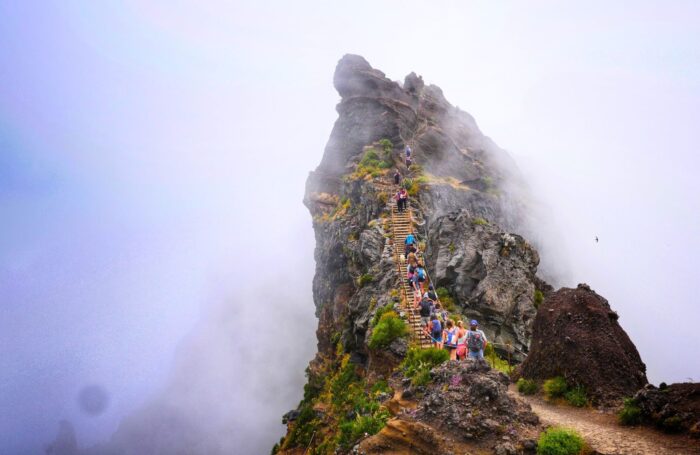
Madeira
| 10th-11th Grade •17 days•$6795 | |
|---|---|
| June 5-June 21, 2026 | Full |
| June 23-July 9, 2026 | Full |
| July 11-July 27, 2026 | Full |
Classic
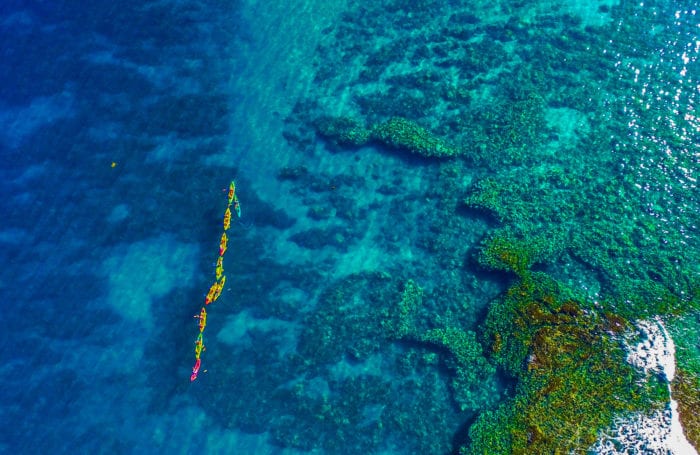
Maui
| 8th-9th Grade •14 days•$6495 | |
|---|---|
| June 6-June 19, 2026 | Full |
| June 22-July 5, 2026 | Full |
| July 8-July 21, 2026 | Full |
Leadership
Mystery Trip
| 12th Grade •21 days•$10895** | |
|---|---|
| July 9-July 29, 2026 | Full |
International Round Trip Airfare Included
Leadership
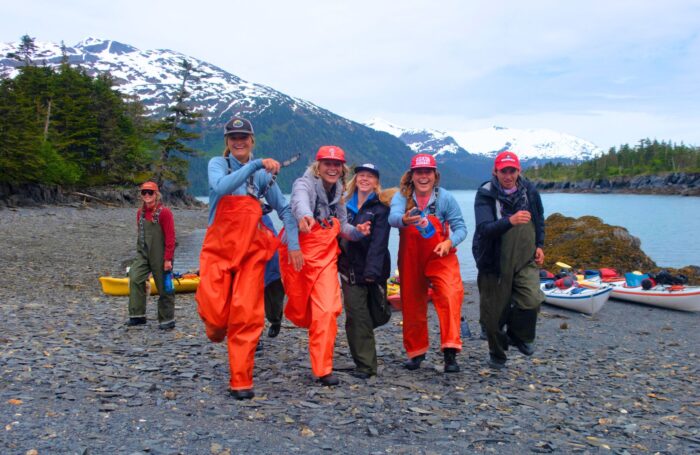
Northern Lights
| 10th-12th Grade •21 days•$7095 | |
|---|---|
| June 15-July 5, 2026 | Full |
| July 9-July 29, 2026 | Full |
Classic
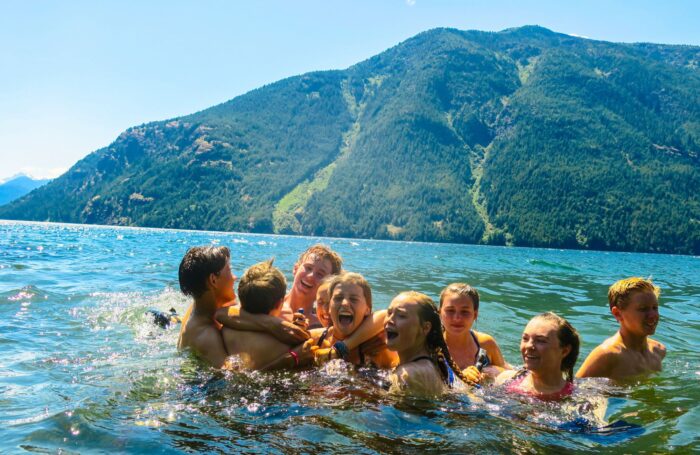
Pacific Northwest
| 8th-9th Grade •14 days•$5695 | |
|---|---|
| June 7-June 20, 2026 | Full |
| June 24-July 7, 2026 | Full |
| July 11-July 24, 2026 | Full |
Leadership
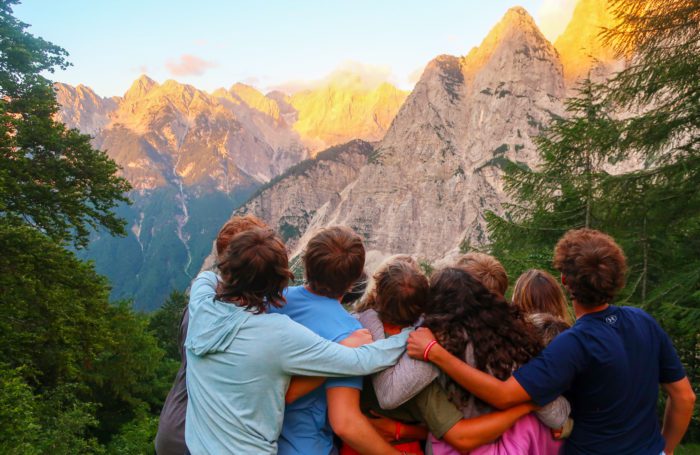
Slovenia
| 10th-11th Grade •14 days•$6695 | |
|---|---|
| June 14-June 27, 2026 | Full |
| June 29-July 12, 2026 | Full |
| July 14-July 27, 2026 | Full |
Classic
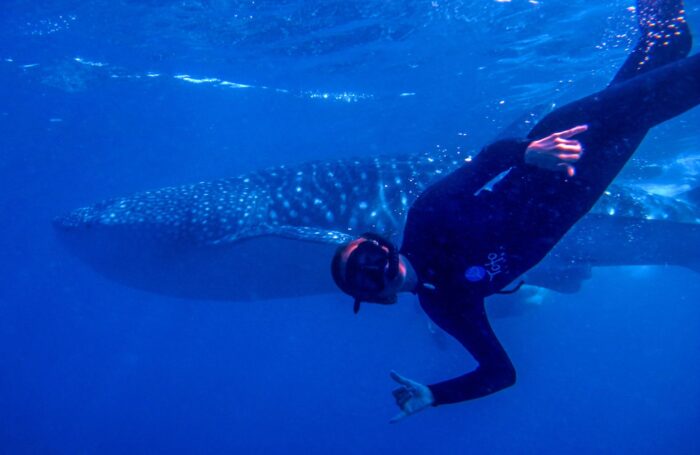
South Africa + Mozambique
| 9th-10th Grade •17 days•$7895 | |
|---|---|
| June 3-June 19, 2026 | Full |
| June 20-July 6, 2026 | Full |
| July 7-July 23, 2026 | Full |
Leadership
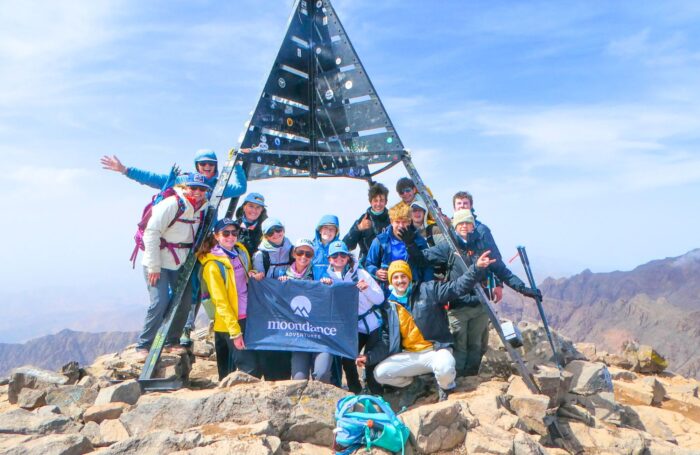
Spain + Morocco
| 9th-10th Grade •14 days•$6695 | |
|---|---|
| June 5-June 18, 2026 | Full |
| June 20-July 3, 2026 | Full |
| July 5-July 18, 2026 | Full |
Spring-Break
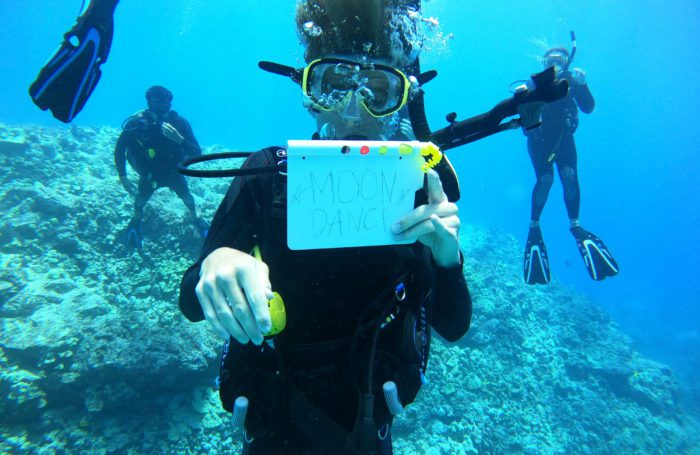
Spring Break Belize
| 10th-11th Grade •7 days•$3195 | |
|---|---|
| February 28-March 6, 2026 | Full |
Classic
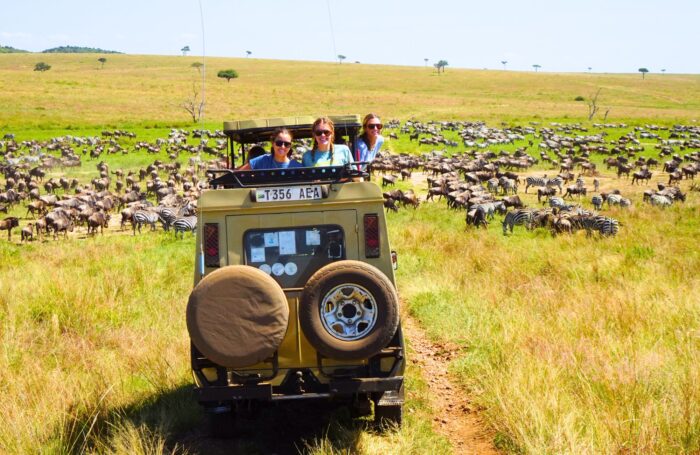
Tanzania + Zanzibar
| 10th-12th Grade •17 days•$7895 | |
|---|---|
| June 3-June 19, 2026 | Full |
| June 20-July 6, 2026 | Full |
| July 7-July 23, 2026 | Full |
Classic
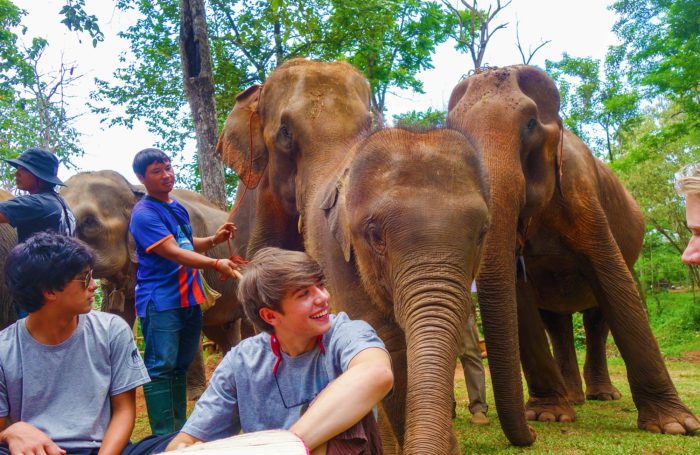
Thailand
| 10th-12th Grade •21 days•$7695* | |
|---|---|
| June 5-June 25, 2026 | Full |
| June 26-July 16, 2026 | Full |
Leadership
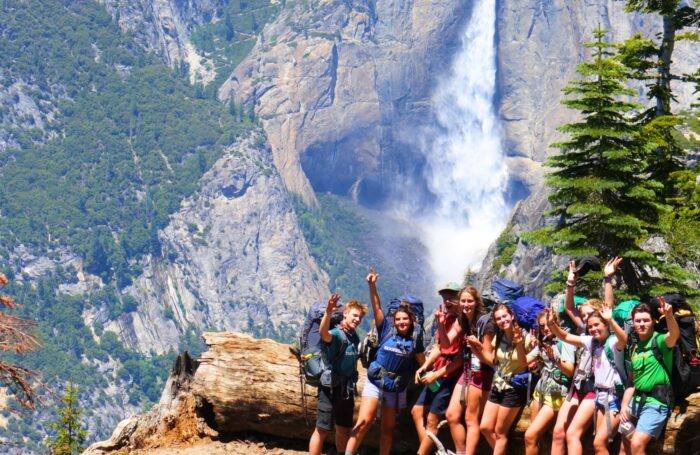
Yosemite
| 10th-12th Grade •14 days•$5895 | |
|---|---|
| June 12-June 25, 2026 | Full |
| June 29-July 12, 2026 | Full |
| July 16-July 29, 2026 | Full |
*Internal Airfare Included
